
The Hidden Story Behind Beautiful Rooms
Why Material Knowledge Is a Designer’s Superpower
There’s a quiet layer to every space we design that doesn’t always get talked about. It’s not the floor plan, the lighting, or even the furnishings, though all of those matter. It’s the materials themselves.
The fibers.
The finishes.
The things we touch and live with every single day.
Designers talk a lot about aesthetics. But behind the beauty, there’s another skill we bring to the table. Material literacy.
Understanding what something is made of, and how it performs over time, is one of the most overlooked parts of good design. Yet it’s what makes a home truly work.
It’s what helps a rug stand up to kids and dogs.
It’s what allows a sofa to be reupholstered instead of discarded.
It’s what lets a home age with grace rather than unravel at the seams.
And it’s one of the most important ways we care for both our clients and the world they live in.
Design That Lasts
We’ve all been tempted by a deal. A low cost rug. A sofa that looks good enough. But those throwaway pieces rarely stay beautiful for long.
A poorly made rug doesn’t just wear down. It sheds, stains, ripples at the corners, and needs replacing far sooner than expected. And where does it go? Into a landfill. Again and again.
Compare that to a hand knotted wool rug, one made to last generations. It may cost more upfront, but it’s woven to endure daily life and only improves with time. That’s the difference between a quick fix and a true investment.
The same principle applies to so much of what we source. Fabrics that breathe and wear beautifully. Woods that are ethically harvested and built to last. Materials chosen not for trends, but for longevity.
Responsible, Beautiful Living
I’ve never been drawn to disposable design. Fast, flashy pieces rarely tell a story or stand the test of time. The homes we design are lived in. They hold morning routines, holiday gatherings, and quiet everyday moments. They deserve materials that are up to the task.
When we choose better, we build better. Homes that support your life today and ten years from now.
Sometimes that means reimagining what already exists. I love incorporating vintage pieces into a space. A well made frame can be refinished. A classic chair can be reupholstered. These pieces carry character, and they’re often higher quality than anything new at the same price point.
Choosing lasting materials isn’t just about durability.
Choosing lasting materials isn’t just about durability.
It’s about values. Creating a home that feels safe, sustainable, and thoughtfully made. Choosing linen over polyester. Solid wood over veneer. Handmade over mass produced.
We’re not just filling rooms. We’re building a world. One that honors tradition, supports artisans, and reduces waste by choosing quality over quantity.
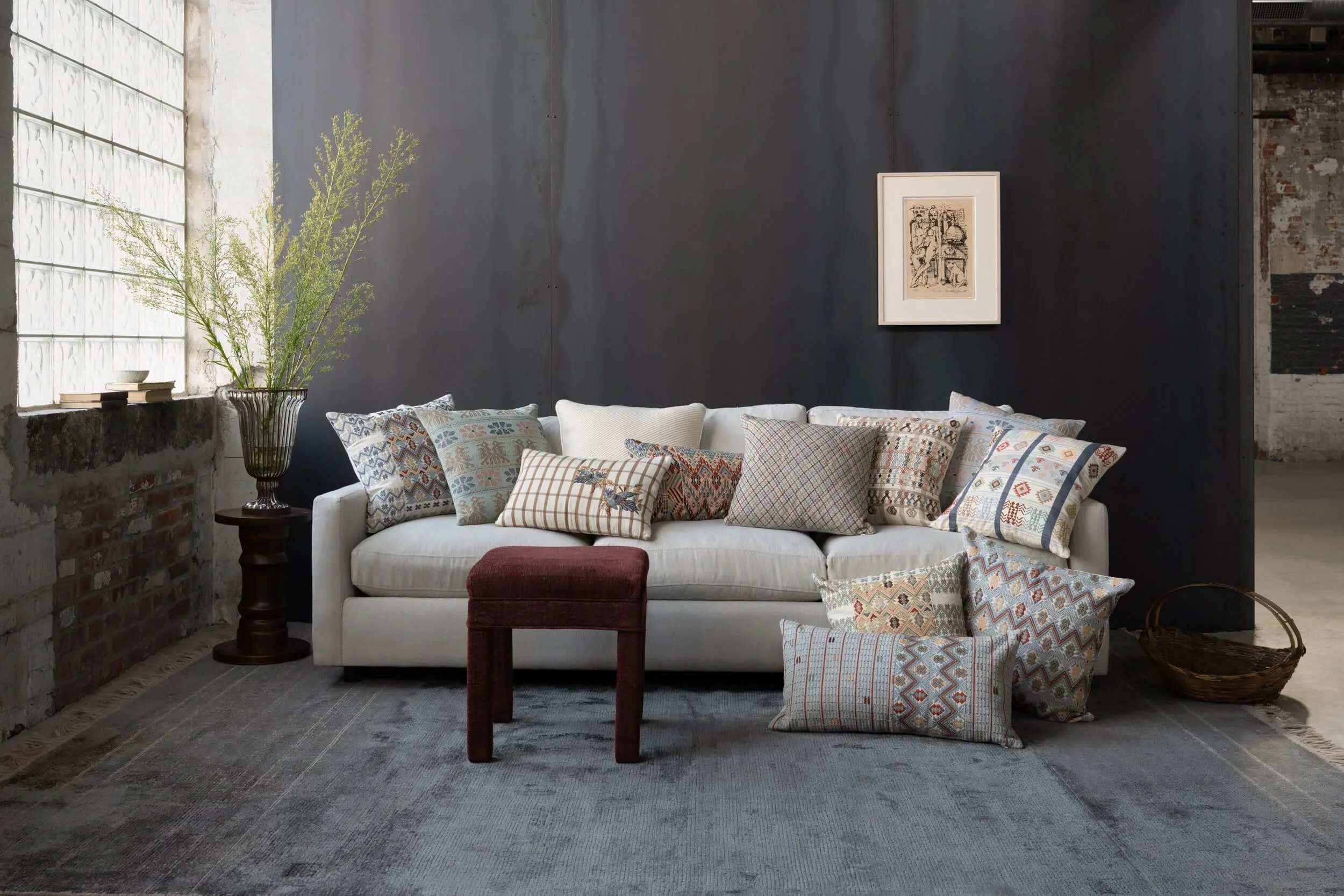
At RB Curated, we go a step further by supporting weavers and makers who are keeping centuries old techniques alive. These textiles aren’t just beautiful. They’re part of a legacy. In many communities, weaving knowledge has been passed down for generations, carrying memory, identity, and cultural story in every thread.
That kind of material knowledge, knowing not just what something is made of, but where it comes from and why it matters, is the foundation of everything we do.
It’s what allows us to design spaces that feel meaningful, personal, and lasting.
If you’re curious about the weaving traditions we support, there’s more on the RB Curated blog, including the history behind backstrap weaving and how artisans are keeping their heritage alive.
The Beauty Beneath the Surface
When a space feels truly good to be in, when it feels balanced, comforting, and right, it’s often because the materials are doing their job. They’re supporting the home quietly, day in and day out.
That’s the hidden story behind beautiful rooms. And it’s one I’ll never stop telling.
—Regan