
The Instinct of Touch: How Material Literacy Supports Your Well Being

One of the things I love to see anytime someone enters a room I have designed is when they just can help but reach out and touch the design. They run their hand over the edge of a solid wood table. They touch the cool, textured surface of a limestone counter. They feel the weight of a linen curtain. There is a deep, instinctive reason for this.
Our bodies are actually designed to read a room long before our eyes ever process the details. It is almost as if we are scanning for cues of connection and grounding in everything we see. We want to know if a surface is real, if it has a history, and if it has a point of view.
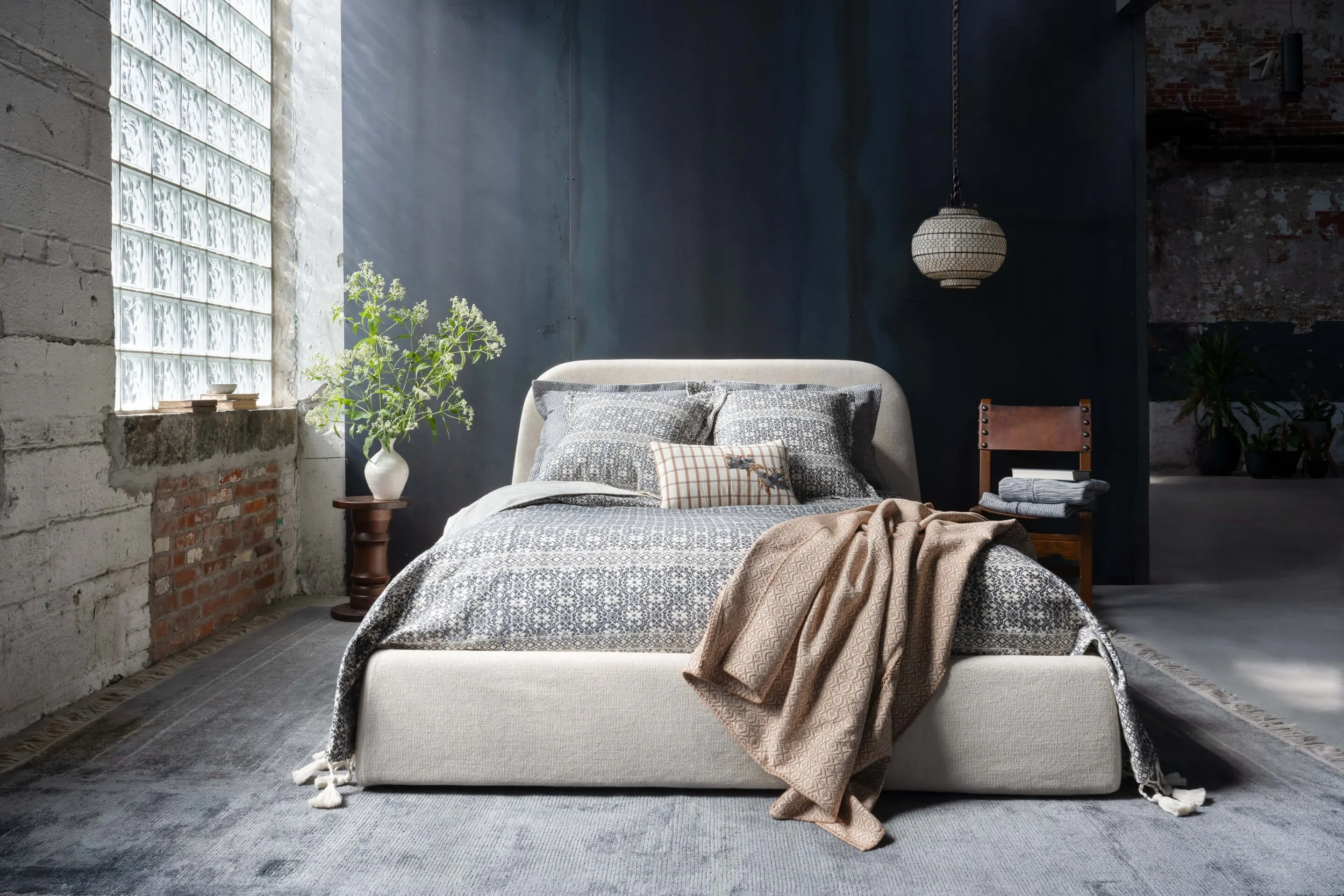
I’ve spent a lot of time thinking about this idea of material literacy. To me, it is simply the ability to understand a space through feeling rather than just looking at it. It is the realization that a home should do more than just look a certain way. It should register with you on a sensory level.
When I approach a new project with an intellectual design framework, this is always something I consider. I am looking at how the materials we select actually affect how we feel. I believe that the best spaces do not just look a certain way. They make you feel a certain way as well.
That instinctive sense of peace happens before your eyes even settle on the details. You can feel the shift in energy the moment you cross the threshold because your body recognizes it is in a place that allows you to finally settle. When we talk about a home being well designed, we are really talking about how it supports us. And that support always starts with the materials we interact with every day. It’s more than just a preference; it’s a biological need.



When you walk into a room that is filled with synthetic surfaces, like laminate or plastic, your body can sometimes stay on a subtle kind of alert. There is no texture for the eye to land on, and no history for the hand to feel. These materials are silent. They don't have a story to tell, and because of that, they don't offer much in the way of connection.
But nature is different. Nature is full of beautiful, intentional "imperfections." The knots in a wood floor or the light hitting a hand-plastered wall give our senses something to hold onto. These materials have a frequency. They have a warmth that a machine simply cannot replicate.
When we prioritize these kinds of materials, we are doing more than just picking a finish. We are creating an environment that speaks to our deepest instincts. We are building a home that feels like it has a soul, and that is where the true art of design begins.
The Frequency of Handcrafted
When we look for that sense of soul in a home, we inevitably find ourselves looking for the mark of the maker.
A flat surface is one that has been processed to the point where it no longer feels real. It doesn't give anything back to you when you touch it. But a material with frequency is different. It carries the weight of the hand that made it and the history of where it came from. It has a presence.
This is exactly why I am so drawn to the handcrafted luxury artisan textiles we create for RB Curated.
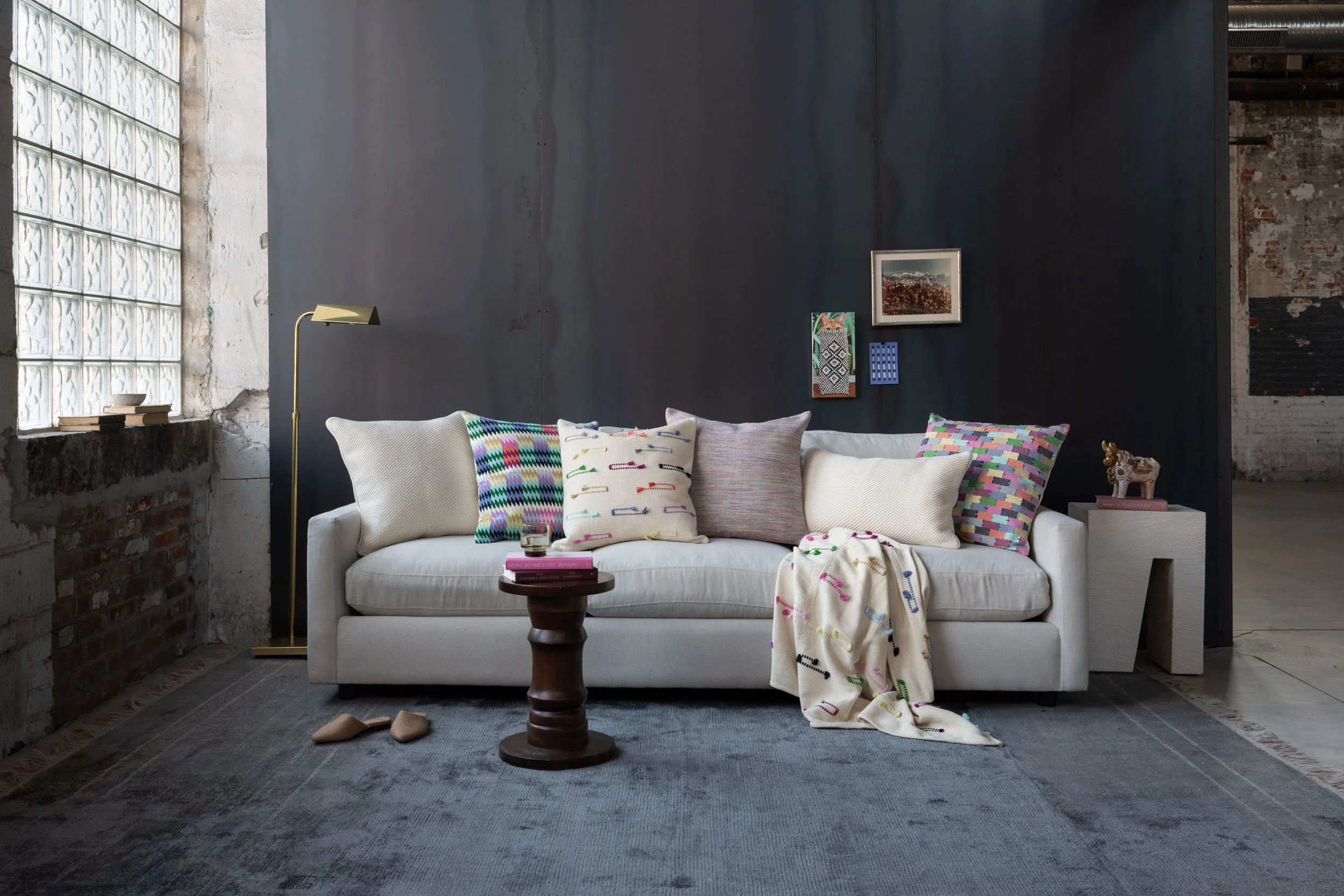
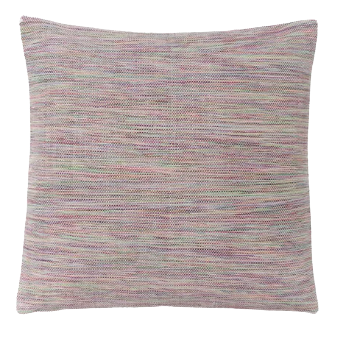
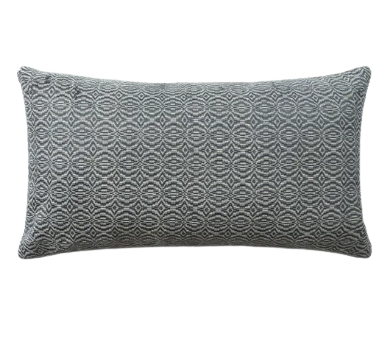
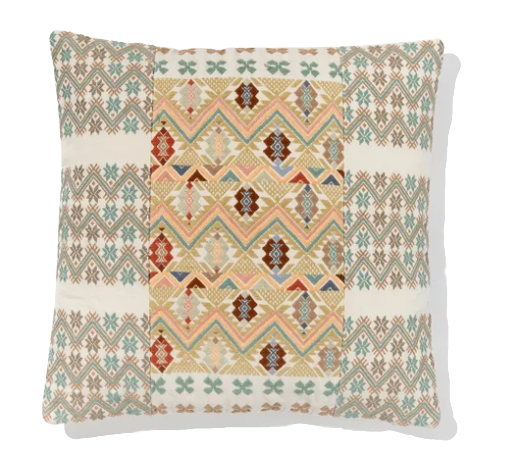
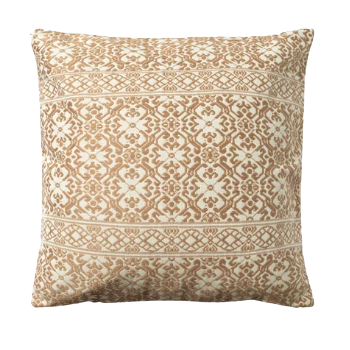
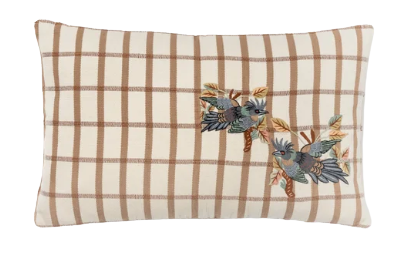
Every piece in our collection is an example of what happens when you prioritize material intelligence over mass production. Take our Mezclado Multicolor Throw Pillow or the Óvalo Lumbar Pillow. These aren't just decorative accents. They are constructed on backstrap looms by artisans who have spent generations perfecting their craft.
The Science in Design
When I talk about an intellectual design framework, I am really talking about the science of how we experience a home. It is a way of looking past the physical dimensions of a room to find what it is trying to say. We are considering the psychology of how we respond to light, proportion, and most importantly, material.
This thinking is built into our process from the very beginning of every project.
Before we ever talk about furniture or finishes, we are asking questions that go below the surface.
How do you want to feel when you wake up in this space?
Where do you feel most like yourself?
What do you need more of, and what do you need less of?
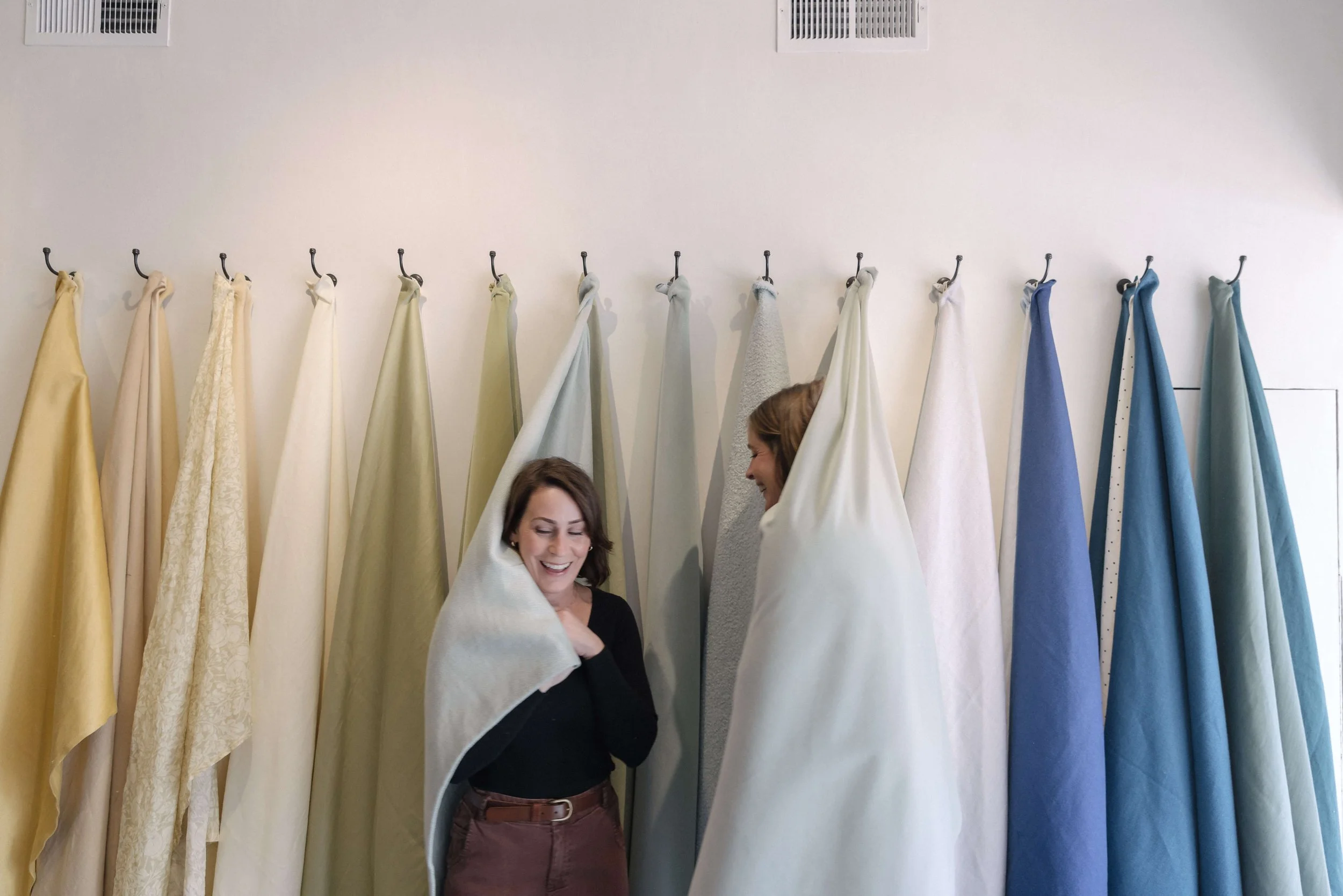
I believe that space should not be accidental. It should be intentional and purposeful. When we select a specific limestone for a foyer or a certain hand-dyed linen for a bedroom, we are doing it because we know how those materials will register on a sensory level.
This approach has changed how I approach new design projects. I want to create something beyond the trend. I want to create something of substance.
This search for pieces with a real point of view is what eventually led me to create RB Curated. I wanted to be able to offer materials that weren't just beautiful, but were grounded in artistry and culture.
When your environment is aligned with your history and your perspective, it reinforces your sense of identity in a quiet but powerful way. It creates a baseline of ease that carries into everything else you do.

Creating a Space for the Senses
I have always believed that a home should give something back to you. It should be a place that supports you without ever asking for anything in return.
When we choose materials that are grounded in craft and nature, we are doing more than just picking a finish. We are creating a cue for our senses to finally let go. We are giving ourselves permission to settle back into who we are.
A home should feel honest, resonant, and entirely your own. By looking at design through this lens, we can move away from that "staged" look and toward something that carries actual weight. We can create an environment that welcomes you home before anything else does.
That is the art of the find. It is the practice of creating a home that doesn't just look like you, but feels like you the moment you cross the threshold.
If you are ready to design a space that supports you on a sensory level, I would love to connect. You can reach out to our team at Regan Billingsley Interior Design here.
