
On ancient weaving traditions, living craftsmanship, and how travel continues to shape my appreciation for textiles and design.
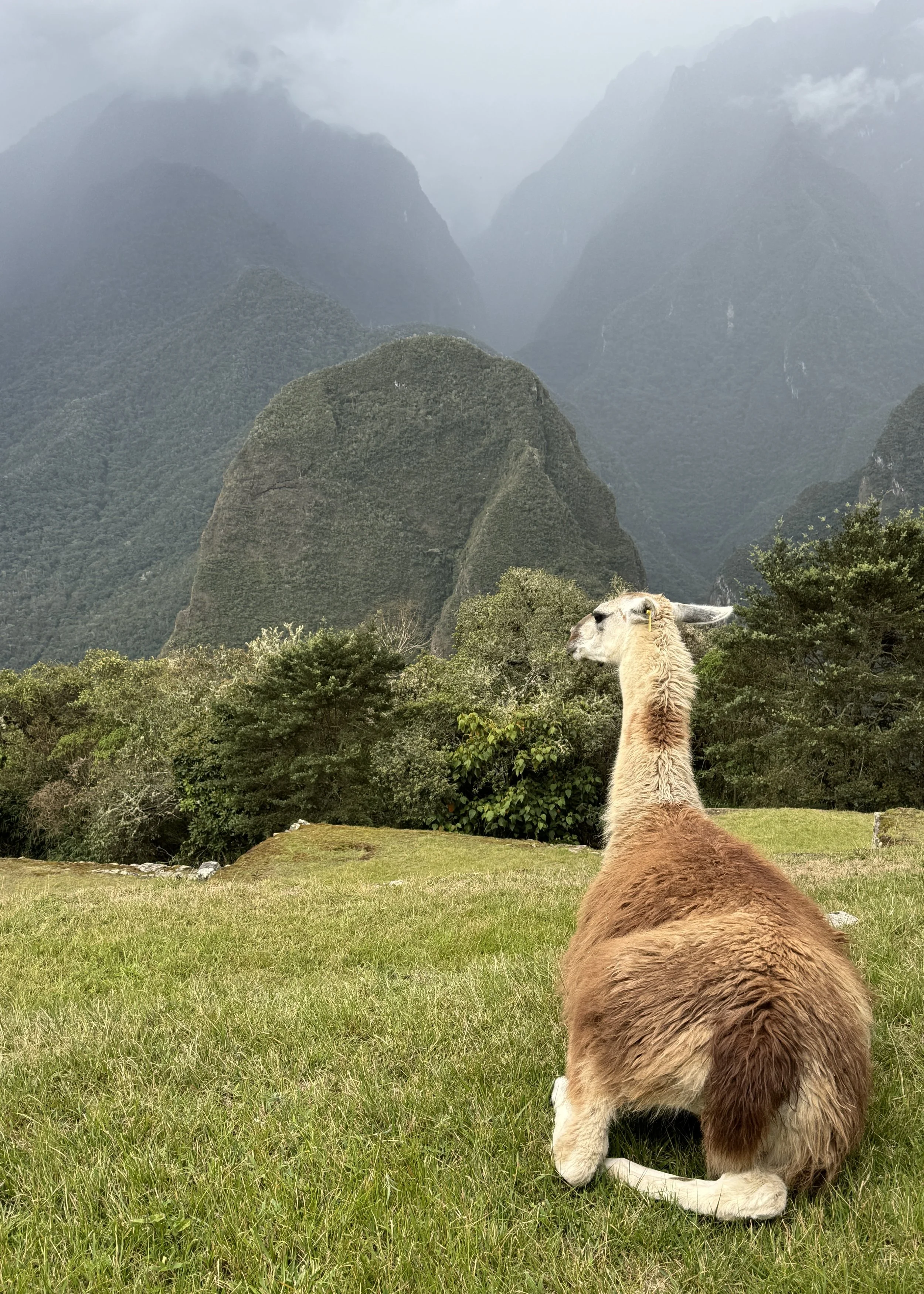
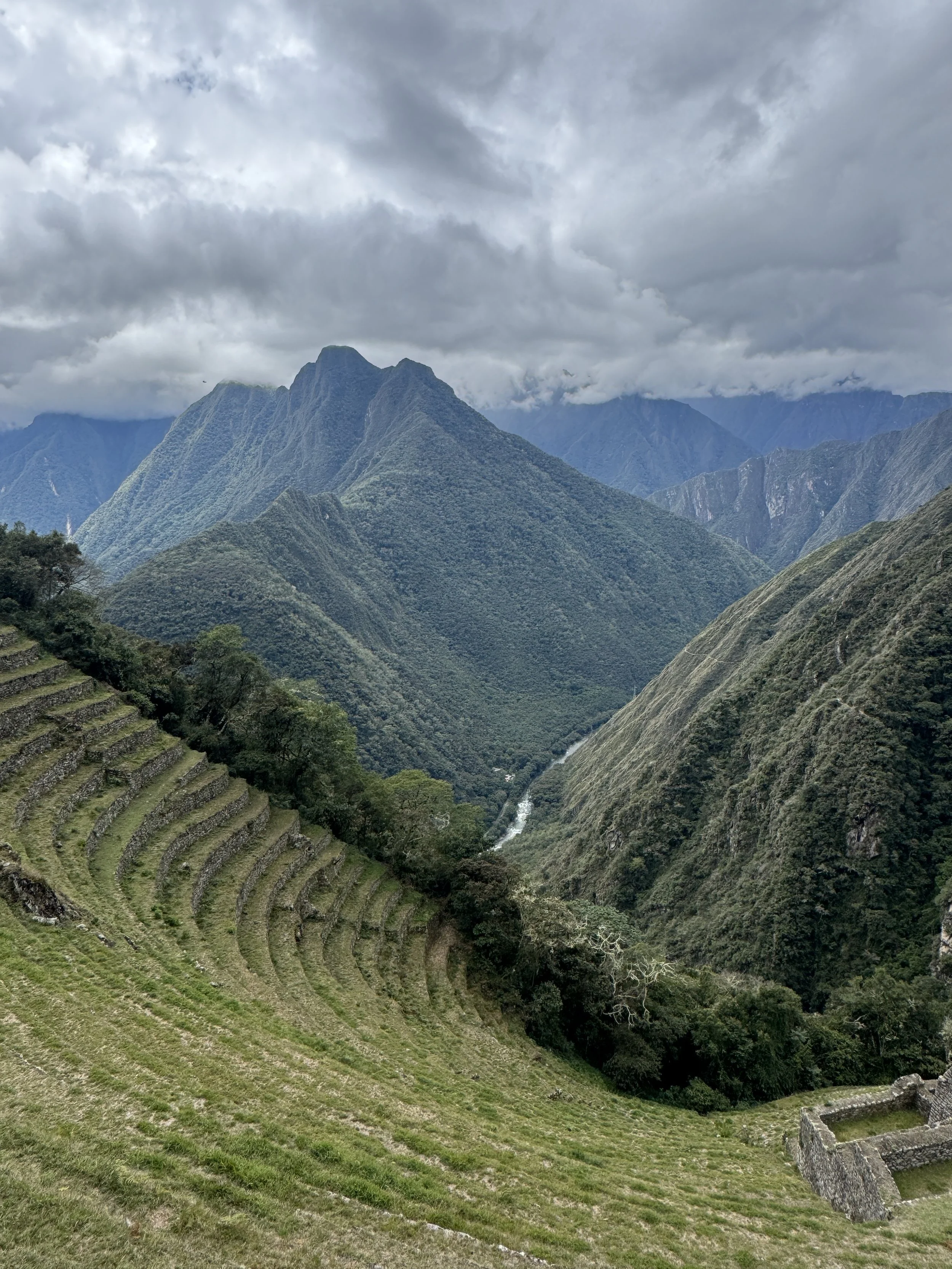
One of the things I enjoy most about traveling is discovering how different cultures express themselves through craftsmanship. I've had a fascination with textiles since childhood, and wherever I go, I make time for textile shops, weaving studios, museums, and antique markets. I'm interested in the materials, colors, techniques, and traditions, but also in the people who make these beautiful things.
I love finding vintage and antique textiles, especially pieces that are unusual or that I simply can't leave behind. My collection has grown considerably over the years (as has the number of shelving units in my home and studio!), along with my appreciation for the knowledge and skill behind each piece.
Peru had been on my list for years, particularly because of its extraordinary textile history. Between Lima and Cusco, I had the opportunity to see everything from ancient textiles preserved for thousands of years to contemporary weaving by artisans continuing traditions passed down through generations.
Centuries of Knowledge in a Piece of Cloth
In Lima, I visited the Museo Textil Precolombino Amano, which has an extraordinary collection of ancient Peruvian textiles. Some of the pieces are more than 3,500 years old, which I still find almost impossible to comprehend!
I spent hours examining the textiles, photographing details, and learning about how they were made. The museum does a wonderful job of explaining the fibers, dyes, spinning, looms, and weaving techniques alongside the finished pieces.
The complexity of the work was remarkable. There were incredibly intricate woven patterns, embroidery, openwork, and beautiful variations in texture and density. I found myself studying the edges and construction as much as the patterns themselves.
What amazed me was how sophisticated these techniques were thousands of years ago. We sometimes associate handmade objects with simplicity, but these textiles required extraordinary precision, creativity, and technical knowledge.
Seeing the process explained alongside the finished pieces gave me an even greater appreciation for the work. It's one thing to admire a beautiful textile. It's another to understand what went into creating it.
Seeing the Tradition Continue in Cusco
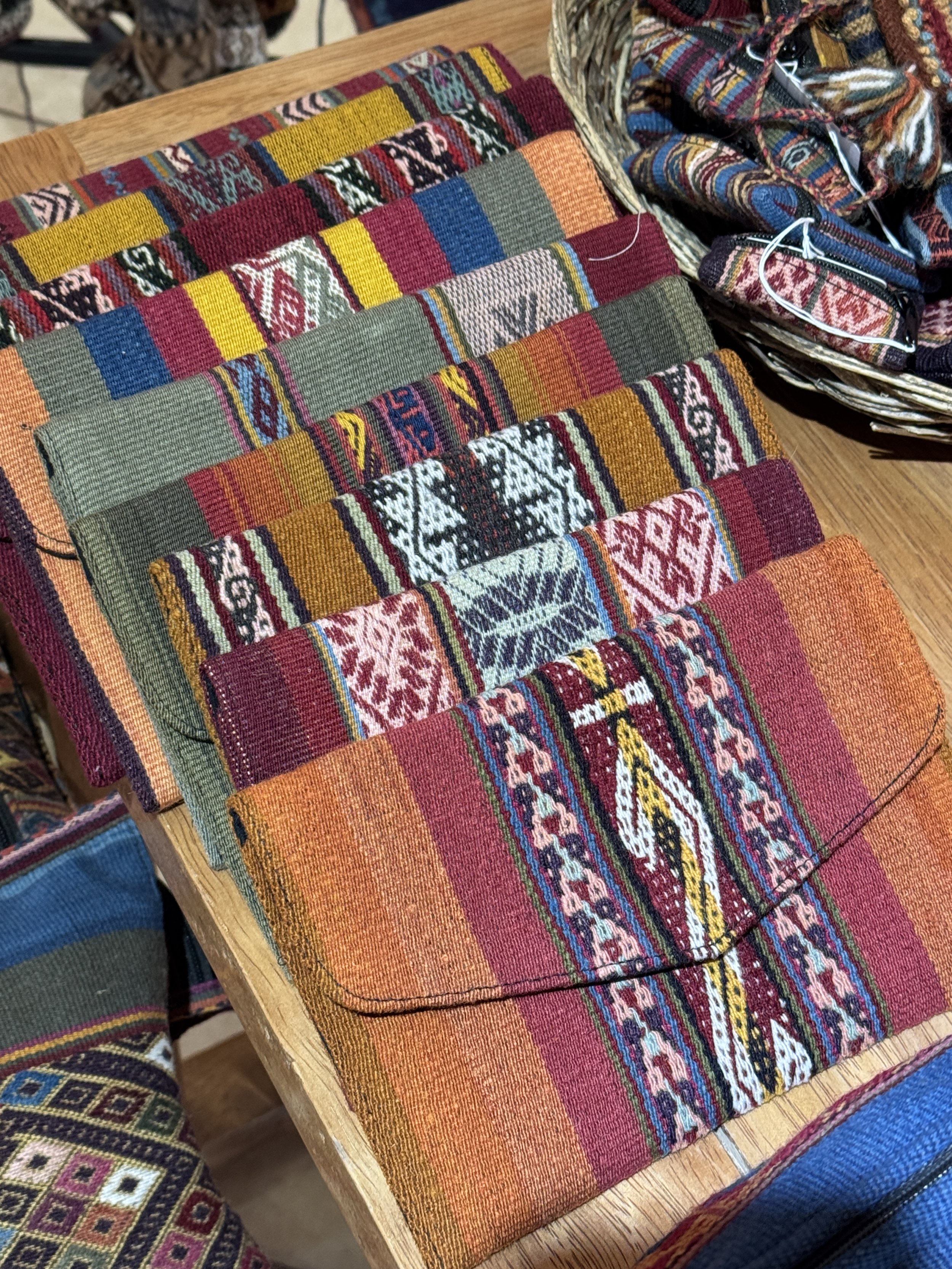
In Cusco, I visited Pallay and the Centro de Textiles Tradicionales del Cusco (CTTC), two organizations working with Andean weaving communities.
The CTTC works with ten communities in the Cusco region to preserve and revitalize traditional weaving techniques, including practices that were at risk of disappearing.
I was particularly interested in how the knowledge is passed from one generation to the next. Weavers spend years developing their skills, learning everything from preparing fibers and setting up a loom to controlling tension and creating complex patterns. Elder artisans play an essential role in teaching younger generations.
It's easy to admire an antique textile in a museum, but visiting the CTTC reminded me that preserving the textile itself is only part of the story. The techniques and knowledge must also survive.
I think about this often in Guatemala, where I work directly with artisans to develop textiles for RB Curated.
I may arrive with a drawing, a color palette, or an idea for a new design, but the artisans bring generations of technical knowledge and experience. Our work is a collaboration, and I've learned a great deal from understanding what is possible with different fibers, weaving techniques, and looms.
Seeing similar relationships between artisans, their materials, and their traditions in Peru was particularly meaningful to me.
Tradition and Contemporary Design
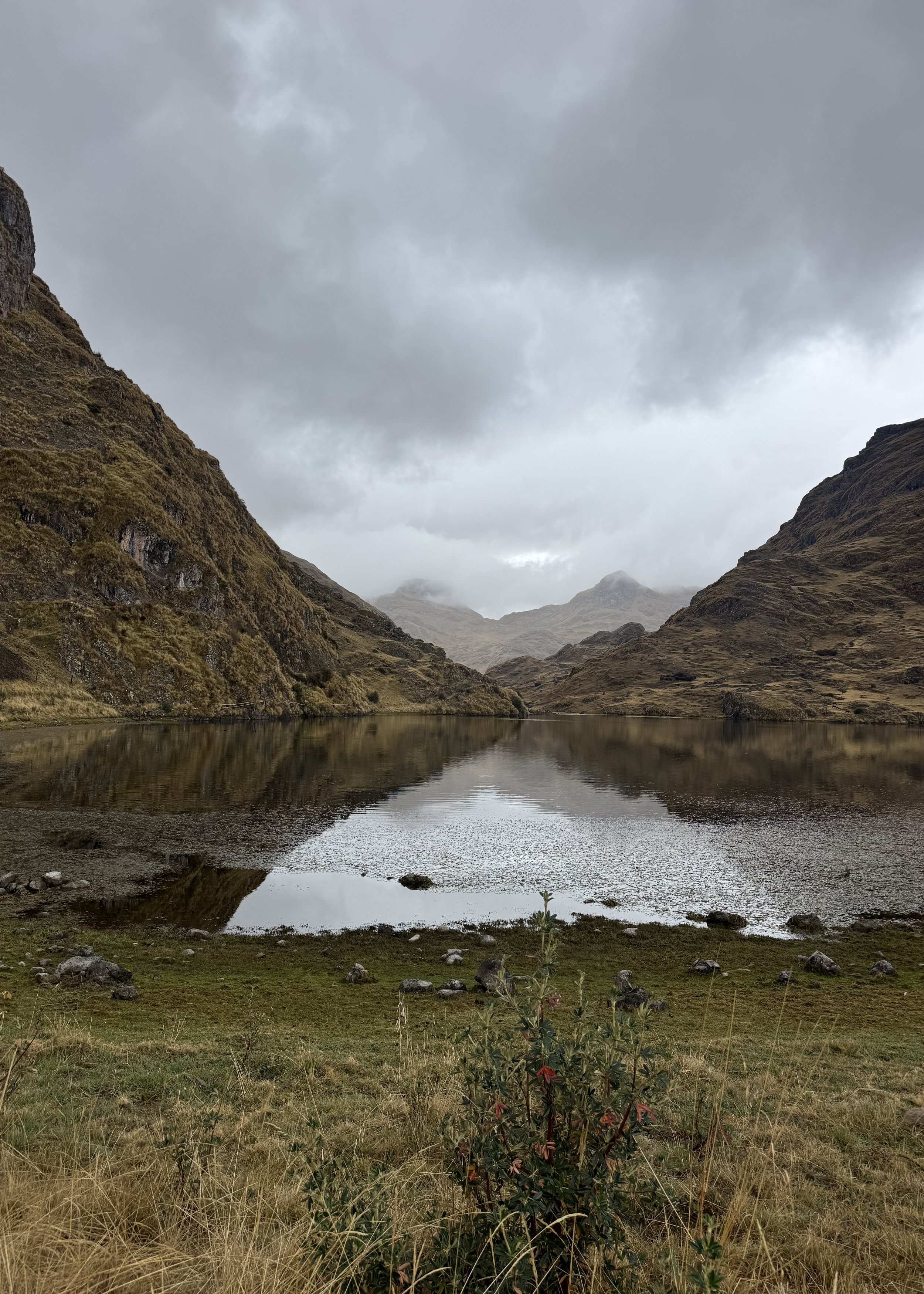
Pallay offered another perspective on Andean textiles. The organization works with more than 100 weavers across several high-Andean communities, connecting traditional weaving techniques with contemporary design.
I was interested in seeing how these techniques could evolve while remaining connected to the communities and traditions behind them.
This is something I consider regularly with RB Curated. I want to create textiles that feel relevant in contemporary interiors while respecting the techniques and cultural knowledge of the artisans who make them.
I also approach interior design in much the same way.
I love combining pieces from different periods, places, and traditions. An antique textile can look extraordinary alongside contemporary art. A beautifully crafted object can be even more compelling in a restrained, modern room.
I'm not interested in creating interiors where everything comes from the same period or follows a single aesthetic. Some of my favorite rooms combine pieces that, at first glance, might seem unrelated but work beautifully together.
Color, Pattern, and What I Bring Home
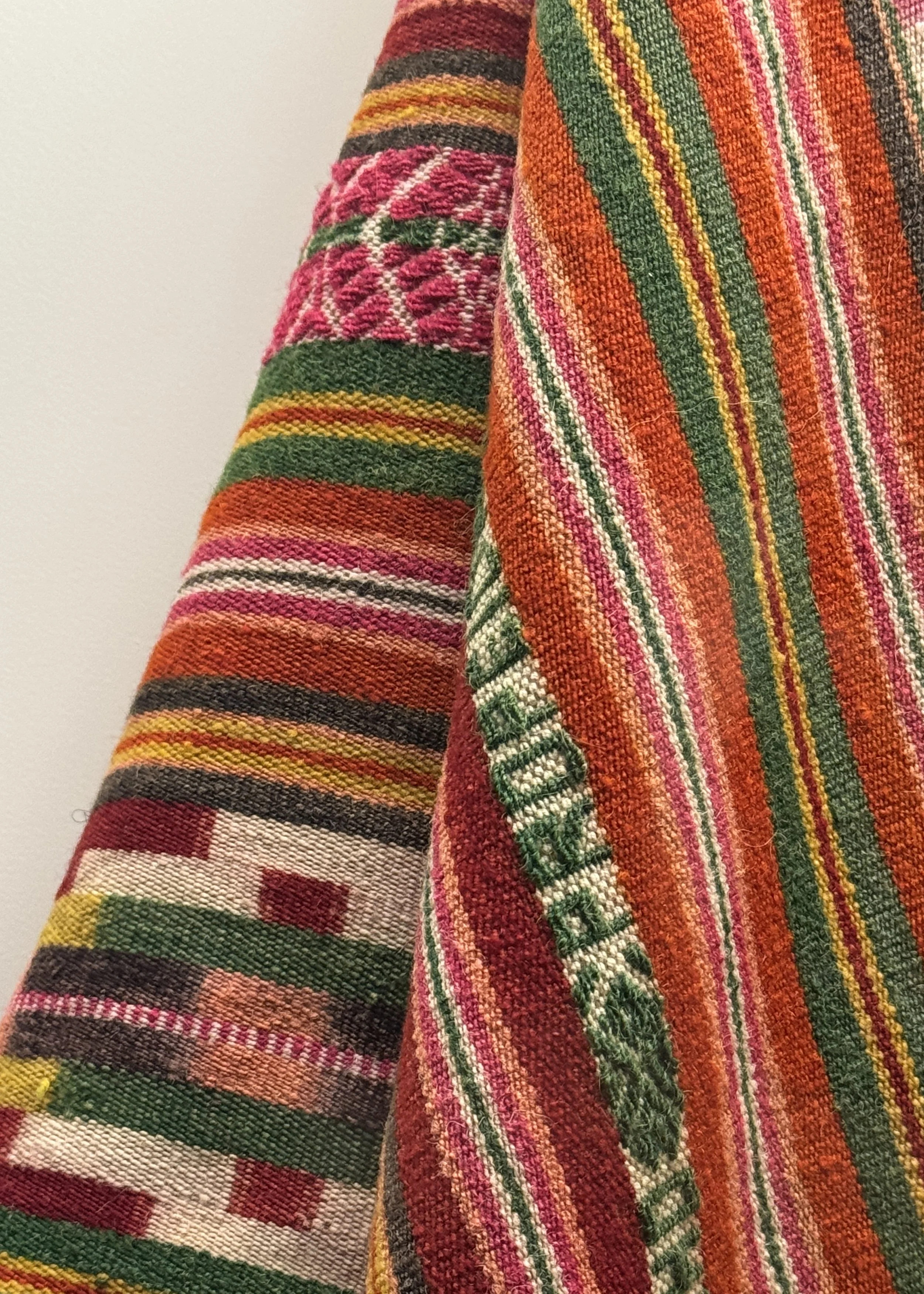
Of course, I was paying close attention to color.
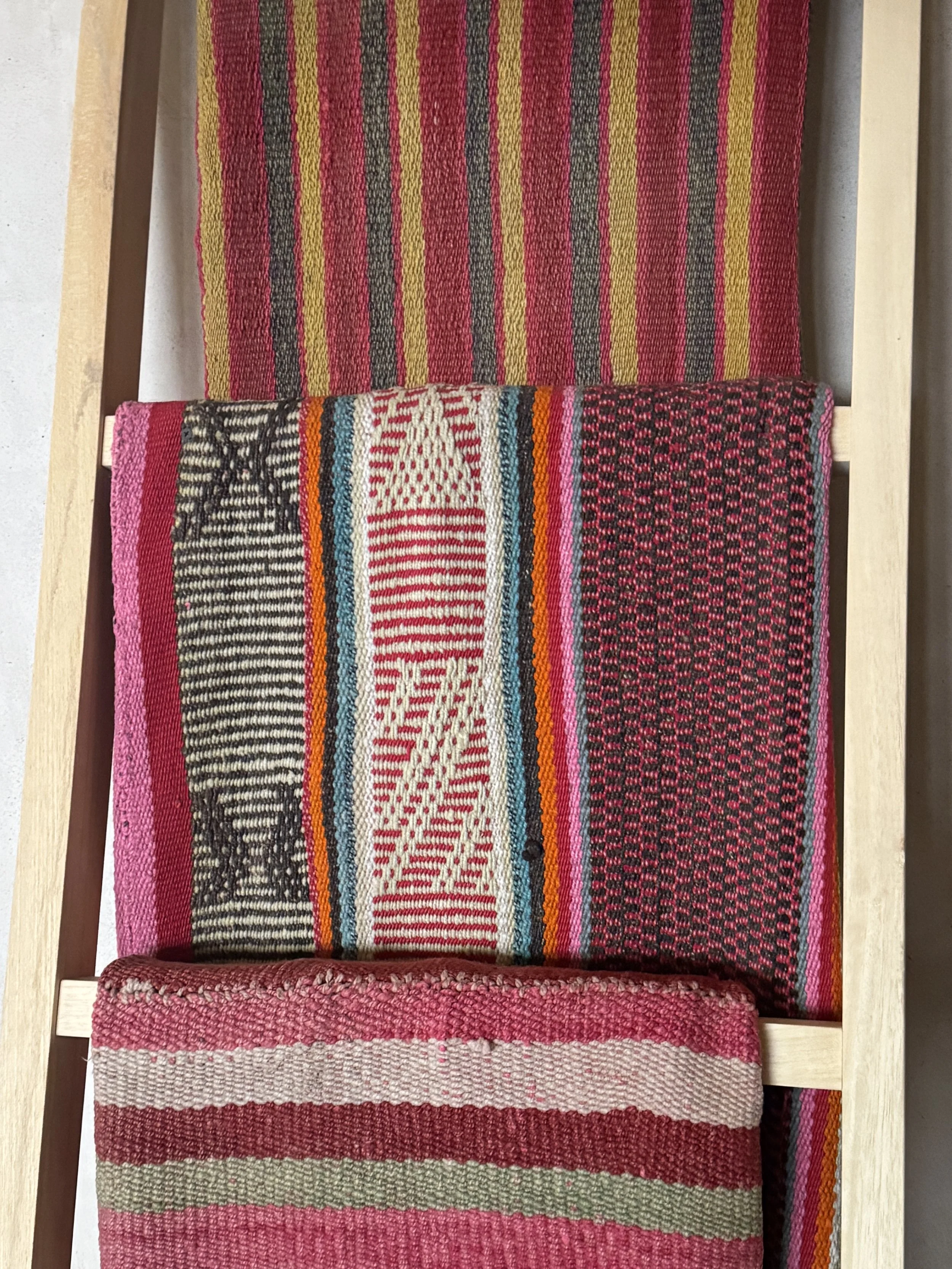
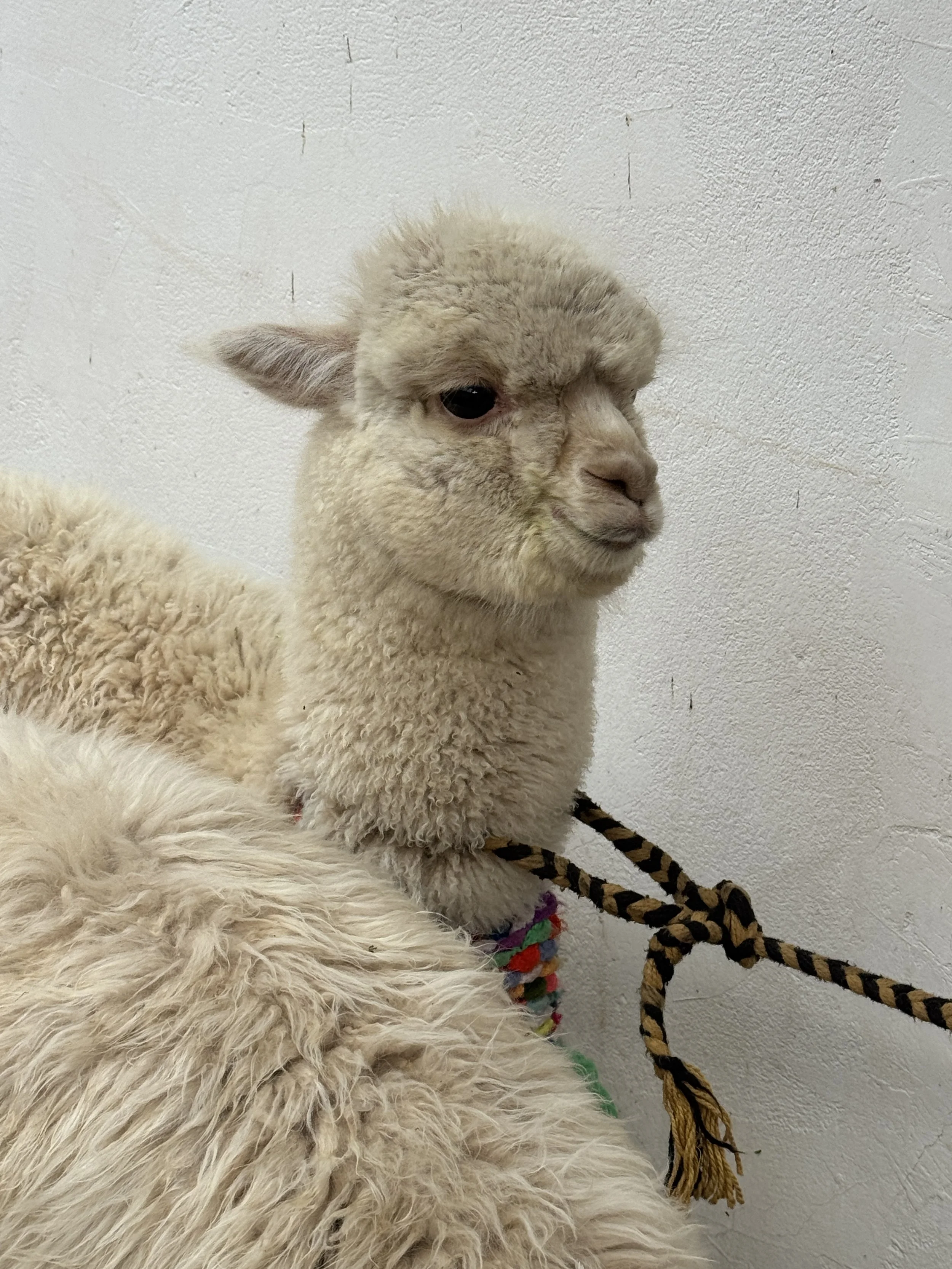
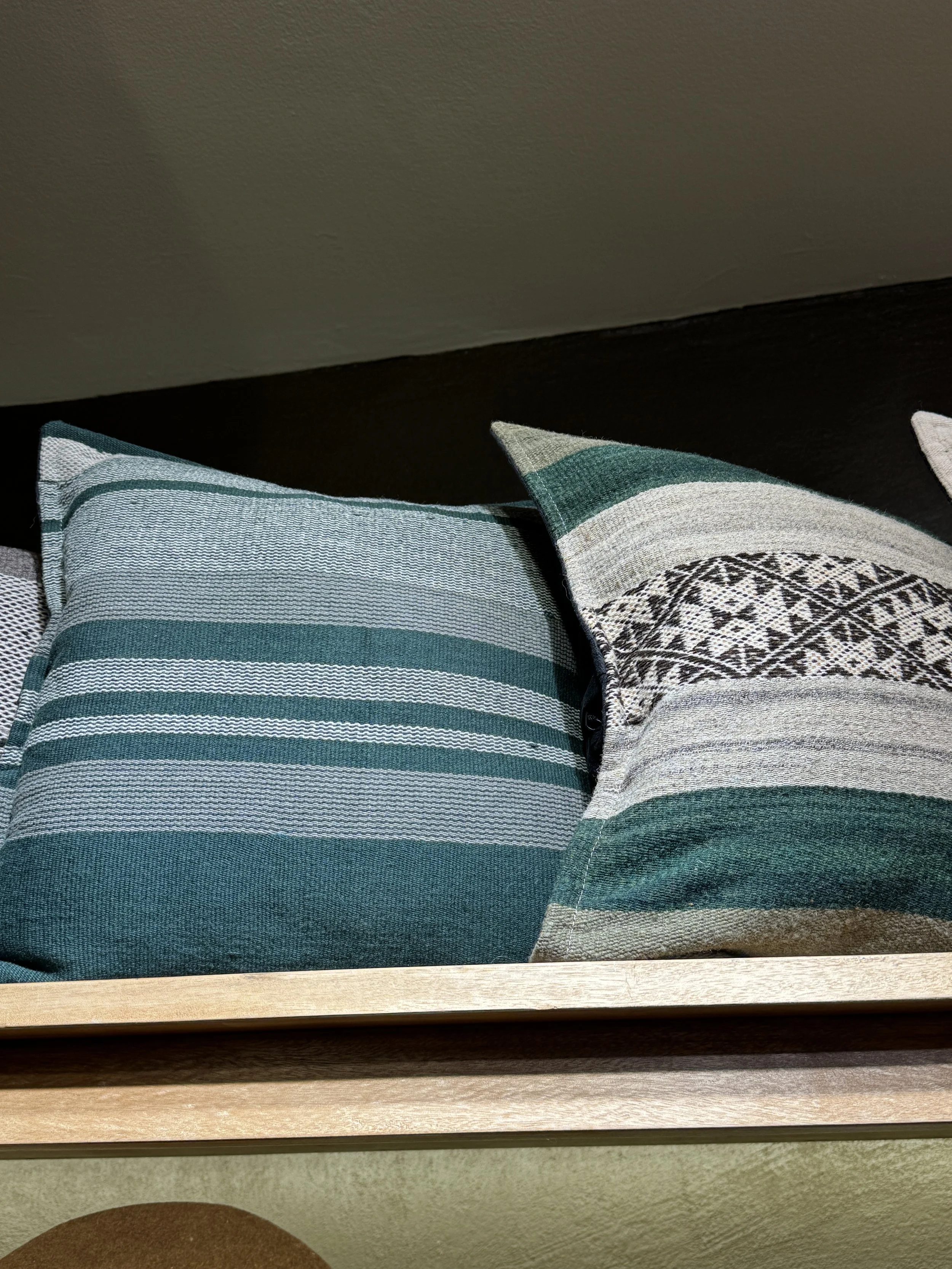
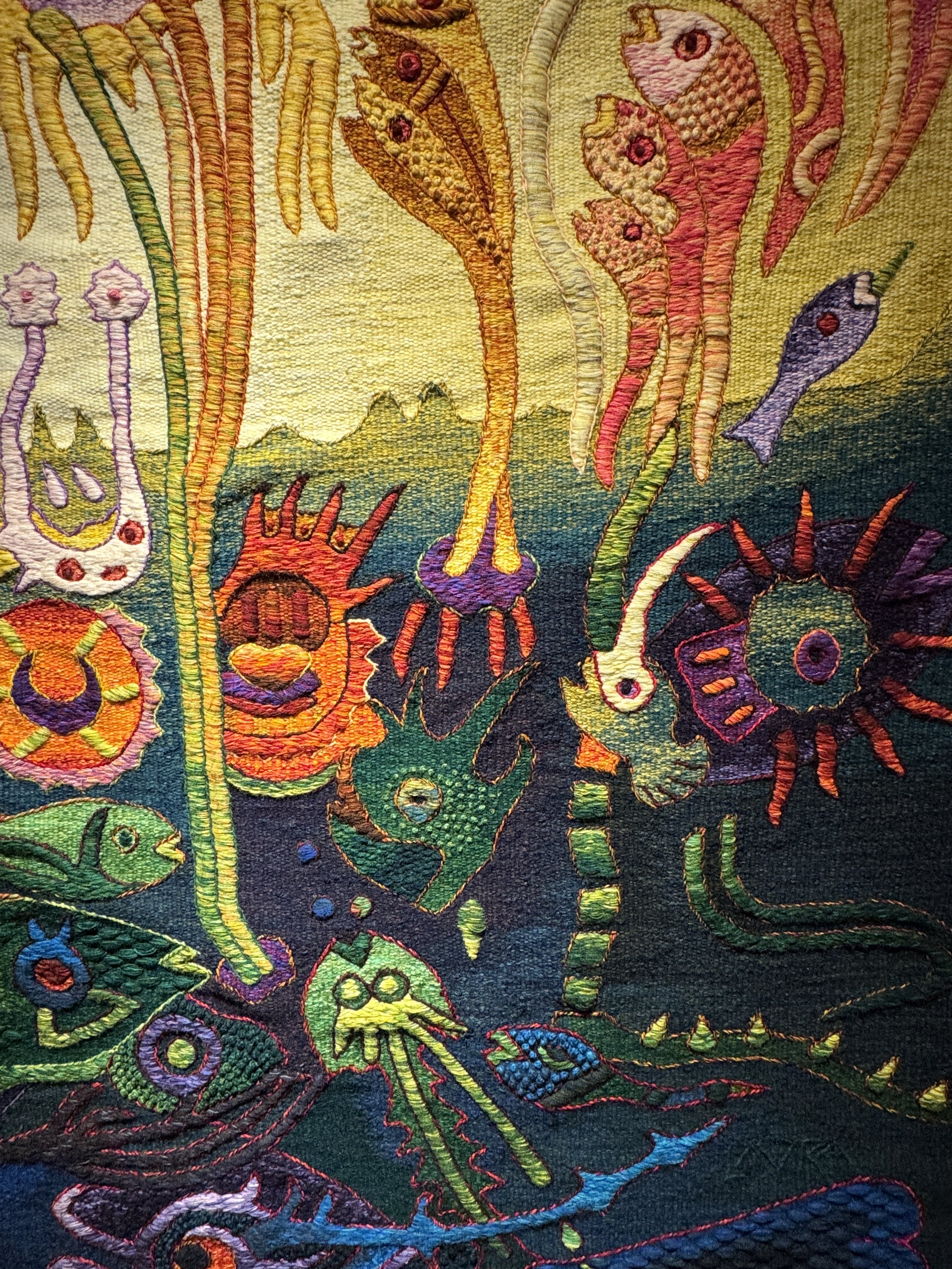
In Guatemala, I work with artisans who weave cotton using both natural and synthetic dyes, so I'm familiar with the different possibilities each offers. In Peru, I was particularly interested in the wool and alpaca textiles and the colors achieved with natural dyes.
There were beautiful earthy tones alongside surprisingly vibrant reds, yellows, blues, and greens. I loved seeing how the colors were combined, sometimes in bold and unexpected ways and other times with much more subtlety.
The patterns were equally fascinating. The placement of colors, the proportions, and the geometry could make even the most complicated combinations feel balanced. A small change in the amount of one color could completely alter the appearance of a textile.
I took countless photographs of combinations I wanted to remember.
This is a big part of why I travel. I'm constantly collecting ideas, whether it's an unusual color pairing, an architectural detail, an antique, or a weaving technique I've never encountered before.
Sometimes I recognize immediately how something might influence my work. Other times, I simply photograph it or make a note, and the idea resurfaces months or even years later.
Why it Matters in a Room
I've always been drawn to interiors that feel as though they've developed over time.
I love a room with interesting contrasts: contemporary art beside an antique, a handmade textile against beautifully tailored upholstery, or an object collected while traveling that has a personal story.
Not everything needs to match or come from the same place. I think rooms become more interesting when they reflect different experiences, periods, and influences.
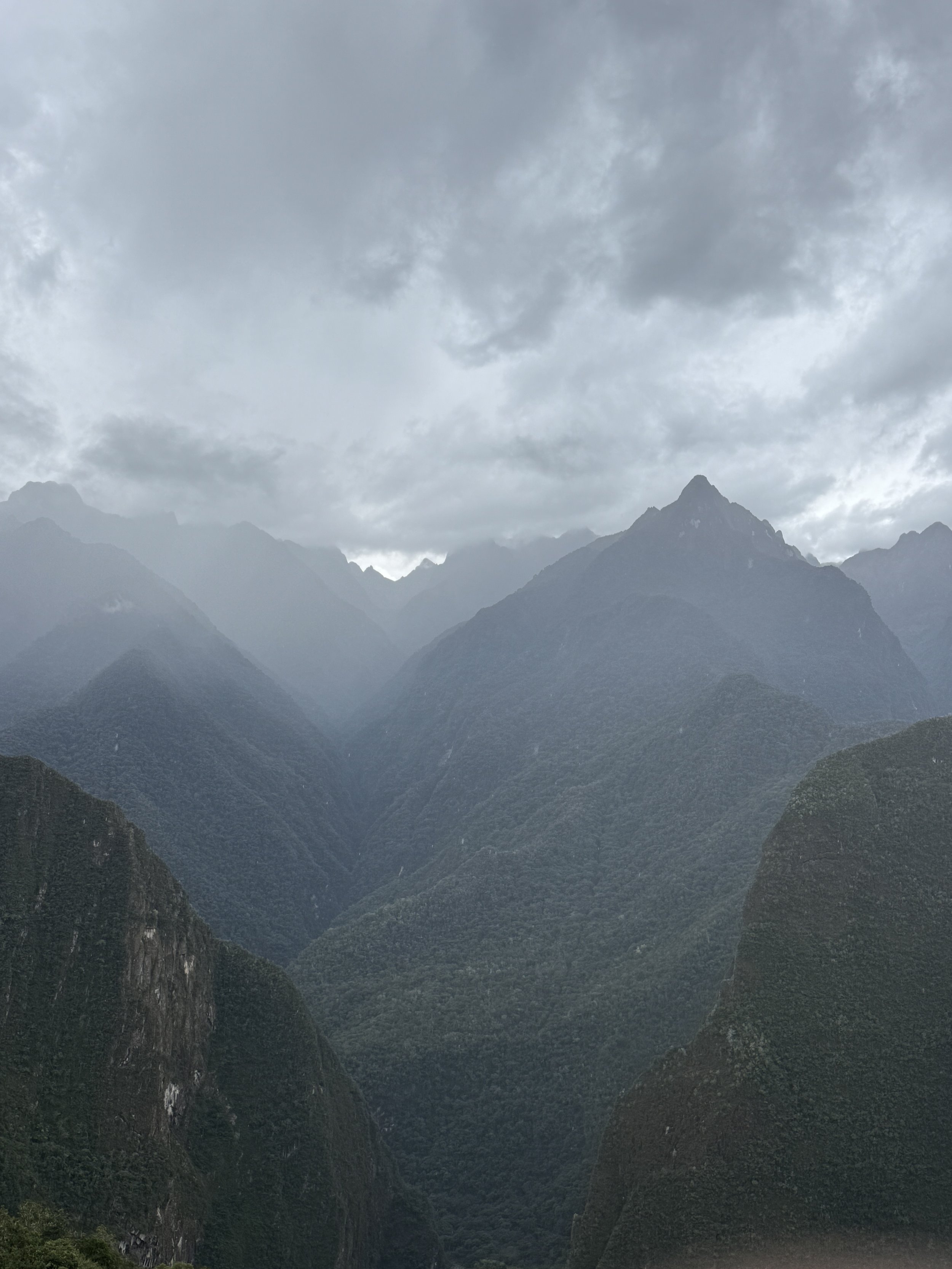
Travel has always informed the way I design, but the more I learn, the more I realize how much there still is to discover.
Peru gave me an even greater appreciation for the technical sophistication of ancient textiles and for the artisans continuing these traditions today. I was fascinated by the weaving techniques, the use of natural dyes, and the extraordinary range of patterns and colors.
And, of course, I came home with textiles! A few have already found their way into my home, where I'm enjoying them alongside pieces I've collected from other places over the years.
I also returned with dozens of photographs, new ideas, and a real affection for Andean culture and craftsmanship.
I'm looking forward to seeing how some of these experiences find their way into my work. And don't be surprised if a little Peruvian inspiration makes an appearance at RB Curated!