
Designing a Second Home with Meaning
There is a quiet shift that happens the moment you cross the threshold of a second home. It is a physical transition that starts long before you turn the key in the lock. It begins somewhere on the journey, as the city noise fades and the landscape begins to open up. By the time you pull into the driveway, your body has already started the work of slowing down.
This is the Friday night exhale.


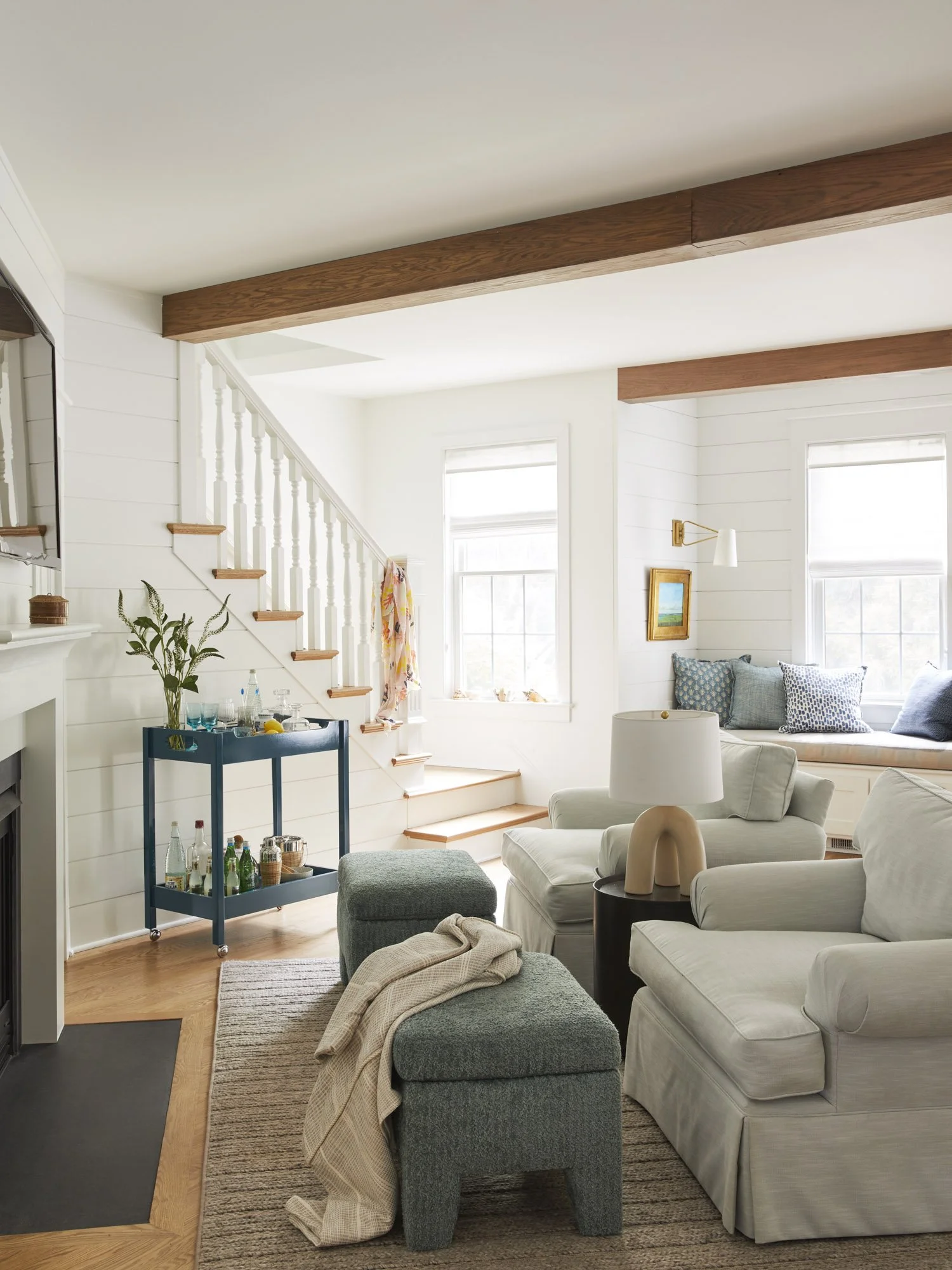
I recently wrote about The Art of the Arrival and how our brains rely on subtle environmental cues to regulate how we feel in a space. We need a moment to land. In a primary residence, that moment usually happens at the front door. But with a second home, the entire property becomes the threshold. It is a much larger, more intentional gesture of transition. It is the bridge between the world of necessity and the world of legacy.
For the people I work with, this is why the investment matters so deeply. I have started to see these clients through a specific lens. They are lifestyle investors.
A traditional investor looks at square footage, market timing, and resale value. While those things have their place, a lifestyle investor is looking for a different kind of return. They are looking for a return on life.
They understand that a home is not just a structure or a line item on a balance sheet. It is a vessel for the summer mornings that turn into decades of family memories. It is an intentional choice to prioritize how they want to feel and how they want to live over the mere necessity of having a place to stay. They are investing in the quality of their time.



Designing for Endurance

When we design a primary residence, the focus is often on the immediate needs of the day. We are solving for the school run, the home office, and the daily grind. But a second home requires a different kind of framework. It requires the long view.
Designing for legacy asks us to look past the immediate season. A second home is built for endurance. It is built to hold a family through every stage of their life. It is the place where children grow into adults, and eventually, the place those adults return to with families of their own.
This is why I approach these projects with a specific intellectual framework. It is not about decorating a set or following a passing trend. It is about creating an environment that has the soul to handle the passage of time. For the lifestyle investor, the return is found in the baseline of calm that the home provides. This does not happen by accident. It is the result of choosing quality and intentionality over the convenience of what is available right now.
I am drawn to materials that have a point of view because they are the ones that actually improve with age. A hand-planed wood floor or a textured limestone wall carries a frequency that a mass-produced surface cannot mimic. These materials do not just sit in a room. They register with your body.


When you choose materials that are grounded in nature and craft, you are choosing things that will age with you. They gain character from the life lived around them. A solid wood table should bear the marks of the dinners shared around it. A linen sofa should soften with years of use. These are the details that tell your nervous system it is okay to let go of the outside world and settle back into yourself. They are the factual weight of a home that is built to last.
This commitment to things that are built to last is the same standard I bring to RB Curated. In fact just this month, we shared how we define ethical luxury because we wanted to get clear about what it actually means to us. It is about prioritizing the maker and the lifecycle of the object. We look for pieces that reflect cultural depth and material intelligence. If a material is designed to be replaced in a few years, it simply does not belong in a home built for legacy.
The Emotional Return
For someone investing in their lifestyle, the ultimate return is not found in the market value of the home. It is in the ability to create a legacy that will last for generations.
I think about the families I work with and how they want their children to remember these spaces. In a world that is always moving, we need a constant. We need a place that stays the same even as we change. That is what a second home does. It acts as an anchor. It is the one place that holds the stories of every summer and every quiet morning together.
Because we design these homes with so much intention, they have a way of giving something back to you. They aren't just beautiful backgrounds. They are cues for your nervous system to finally soften.

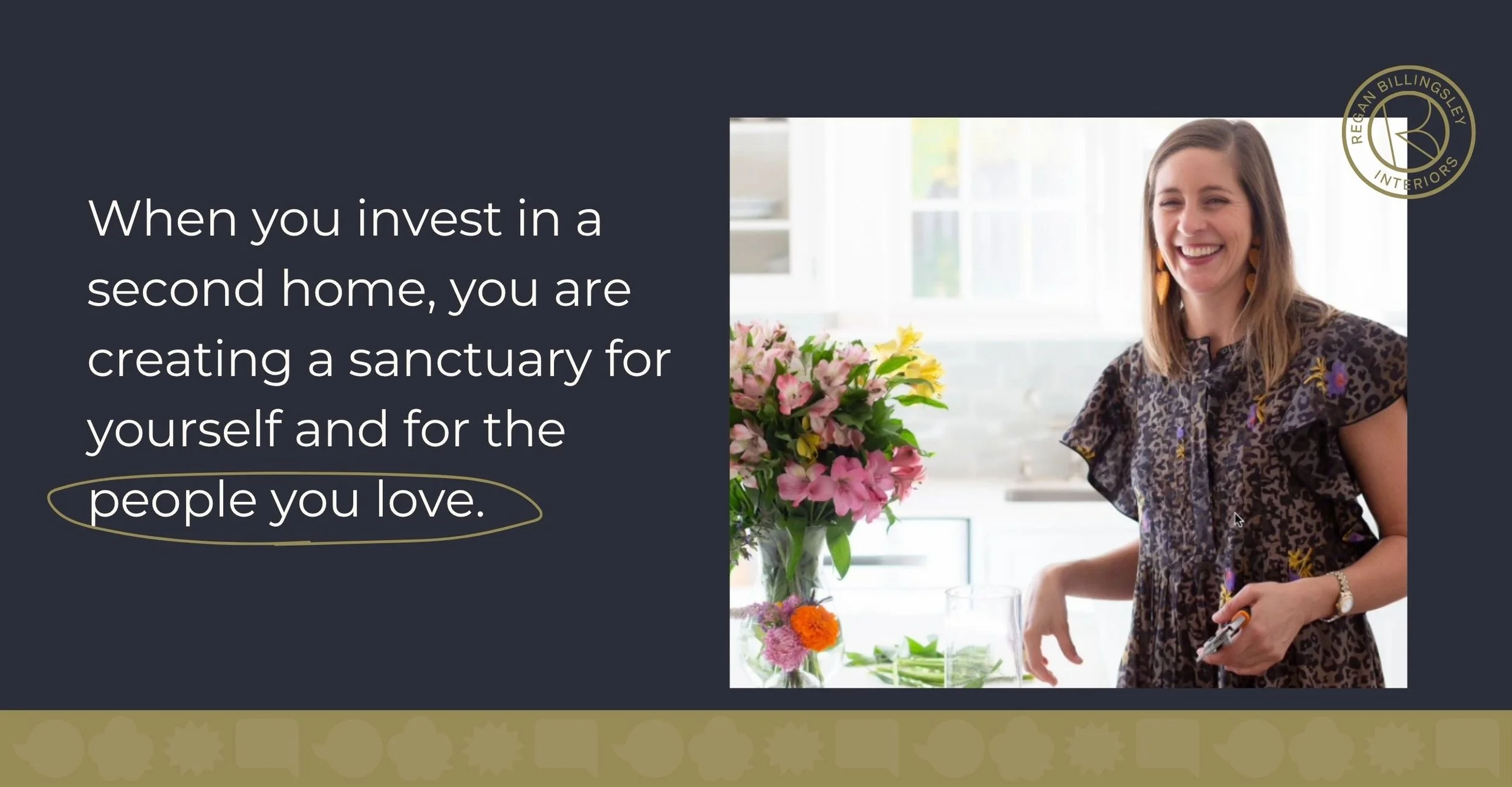
When you invest in a home this way, you are creating a sanctuary for yourself and for the people you love. It is about having the confidence that your environment reflects who you are and what you value most. It stops being a house and starts being the backdrop for your most significant moments, and it becomes a place that welcomes you home before anything else does.
Designing Your Second Home for Legacy
If you are currently looking for a second home, or if you are standing in one that doesn’t quite feel like yours, take some time to think about the return on life.
Try to look past the property as a financial asset, and think about the life you want to lead in these rooms. Think about the moments you look forward to and the memories yet to be made. And imagine the life you will live within these walls.
Building a second home is one of the most significant ways to invest in your family’s future. It is about creating a foundation that will stay the same even as your family changes. And it is a place that should be designed with intention and focus on what truly matters.
That is where well being begins. It is the art of creating a place to land.
I would love to help you find that baseline of calm. If you are ready to design a space that supports your family’s legacy, let’s connect. You can reach out to our team at Regan Billingsley Interior Design here.
