Paris: A City That Celebrates Beauty, Craftsmanship, and the Art of Living
On the enduring influence of Paris, the importance of preserving craftsmanship, and why inspiration often comes from the smallest details.
A day after returning from Paris, I learned that the Marché des Enfants Rouges, the city's oldest covered market, had been devastated by fire.
Just days earlier, I had wandered through the historic market, which dates to 1615, watching Parisians squeeze into tiny vendor stalls and gather around crowded tables. I loved seeing a centuries-old marketplace still functioning as a neighborhood gathering place, filled with conversation, food, and the rhythms of everyday life.
The news was heartbreaking, not simply because of the loss of a historic landmark, but because places like these represent something increasingly difficult to preserve: the connection between a city's past and its present.
It's one of the things I appreciate most about Paris.
A City Built on an Appreciation for Beauty
Paris is often experienced through its iconic monuments, celebrated museums, and grand boulevards. And while those are extraordinary, what draws me back is something less easily defined.
It's the cumulative effect of centuries of devotion to art, architecture, craftsmanship, and culture. An appreciation for beauty that extends beyond the extraordinary into the everyday.
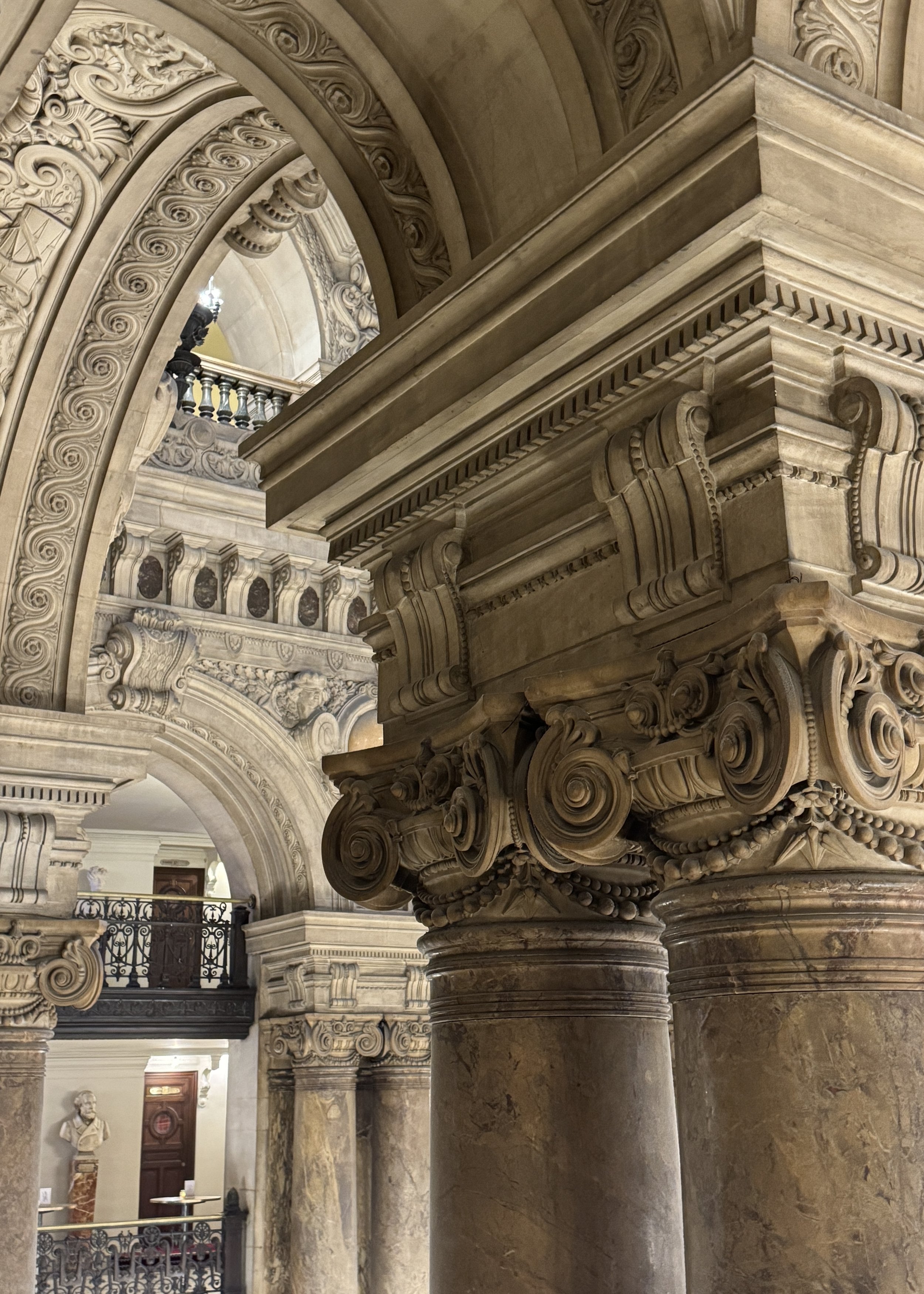
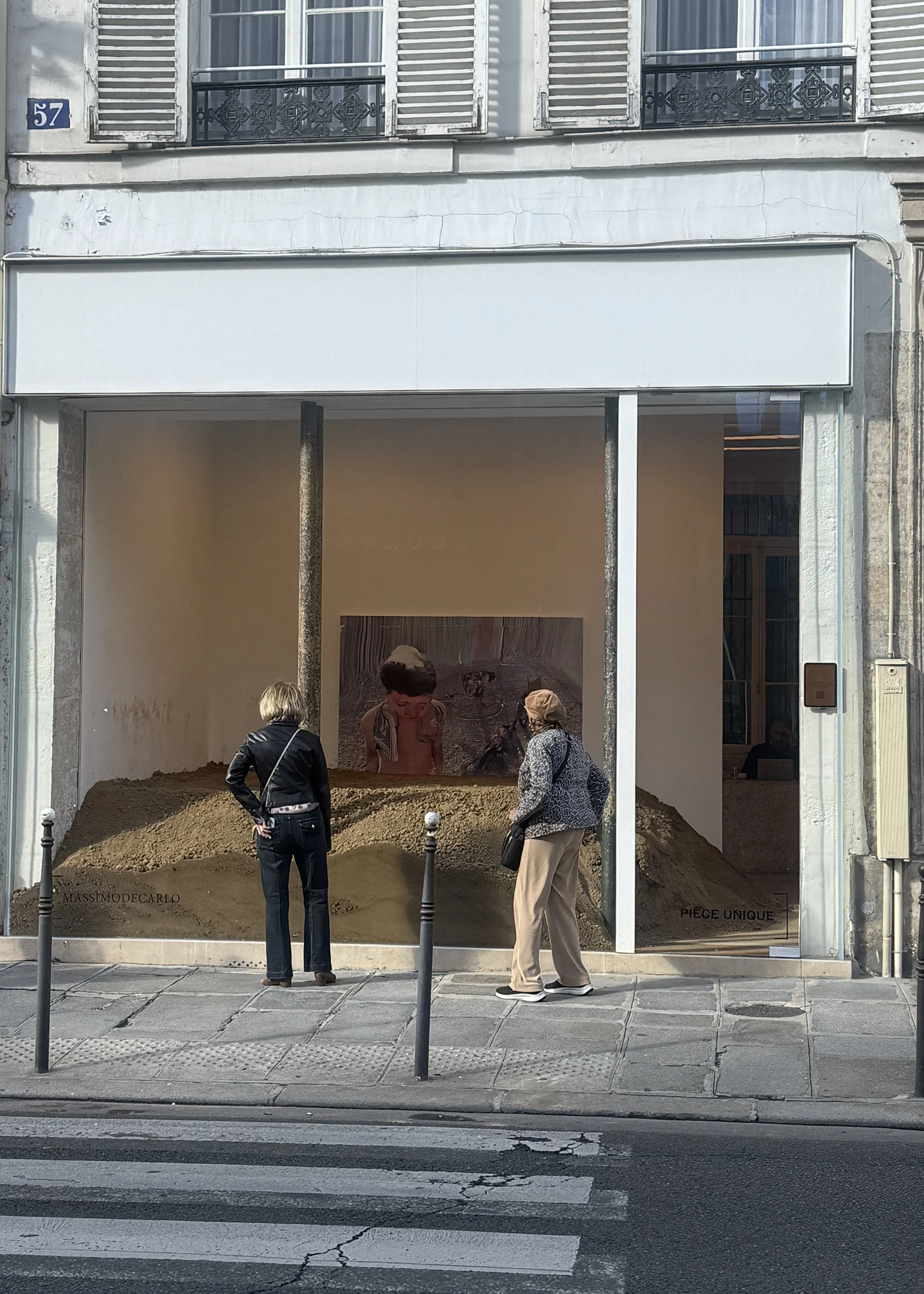
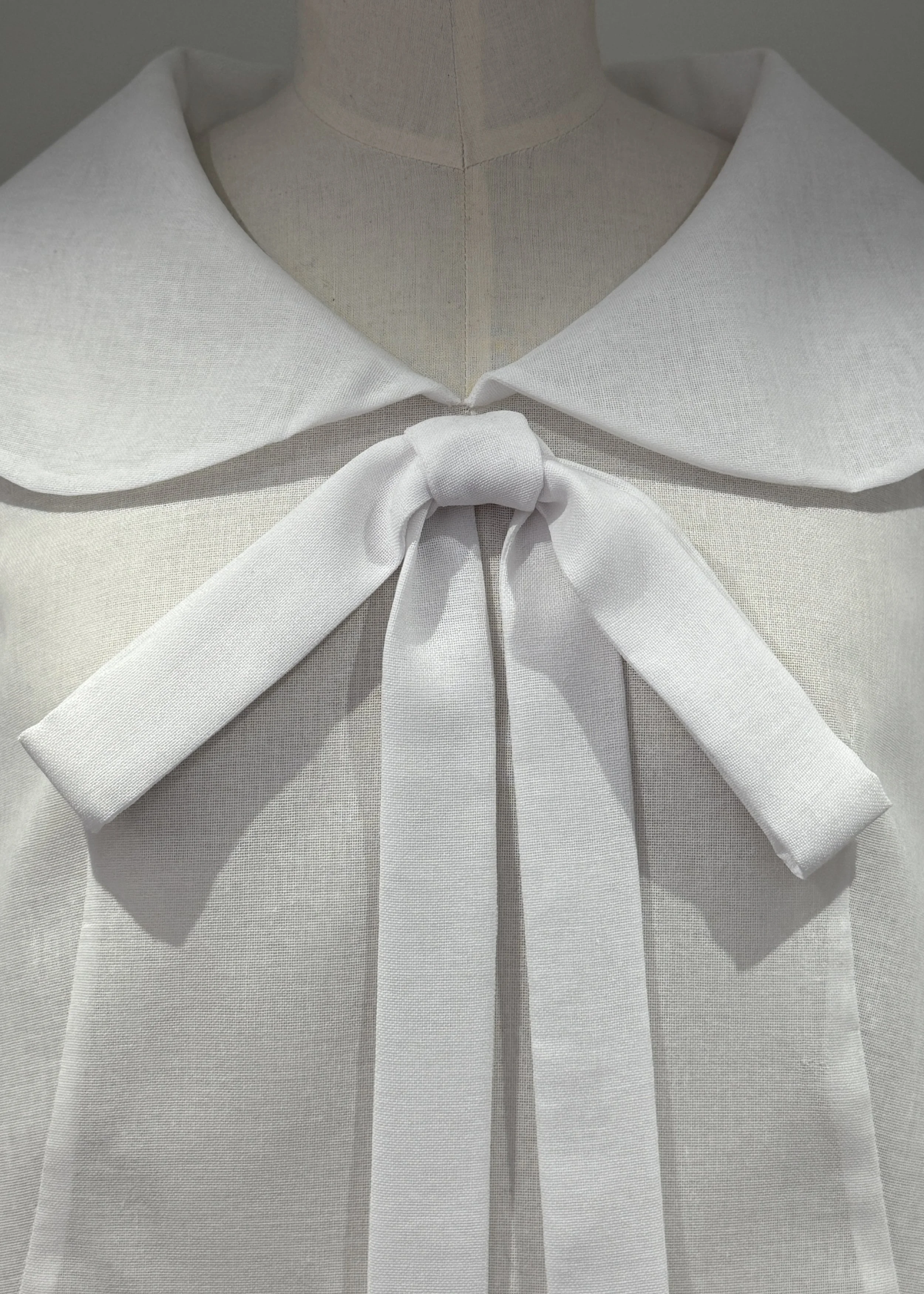
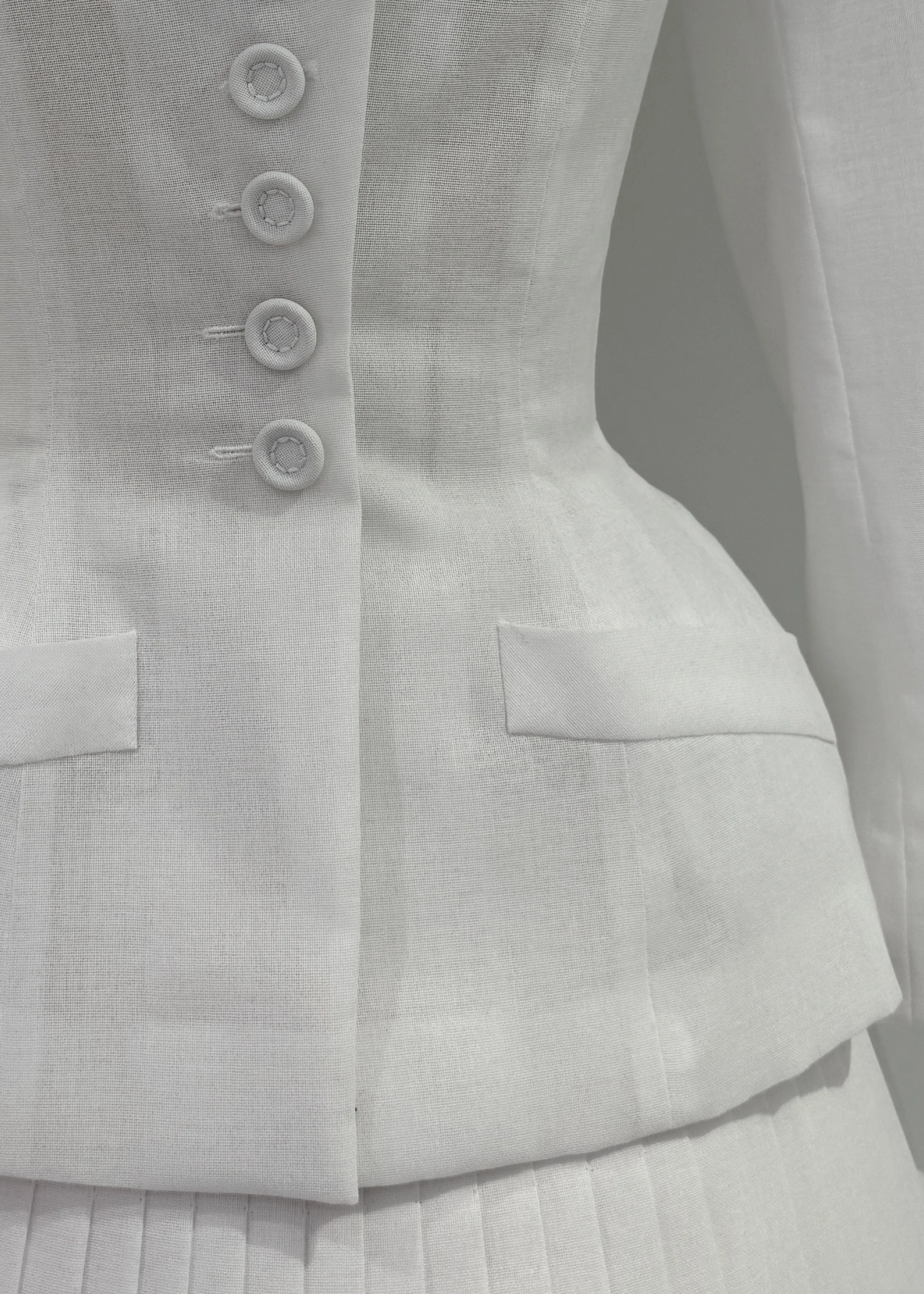
It's evident in the elaborate ironwork of a balcony, the proportions of a centuries-old doorway, the stonework of a façade, and the careful arrangement of a shop window. Even the simplest objects seem to be given consideration.
As an interior designer, I find this endlessly fascinating. Not because every detail is beautiful or every building perfectly preserved, but because there is a visible respect for the process of making things and for the people who make them.
These details are easy to overlook when moving quickly from one destination to the next. For me, they are often the most interesting part of traveling.
Where History and Innovation Coexist
Paris has a remarkable ability to embrace artistic experimentation while fiercely protecting its cultural heritage.
At Notre Dame, the painstaking restoration of a national treasure is a reminder of the extraordinary skill required to preserve historic architecture. The work is not simply about reconstructing a building. It is about sustaining generations of knowledge, techniques, and craftsmanship that might otherwise disappear.
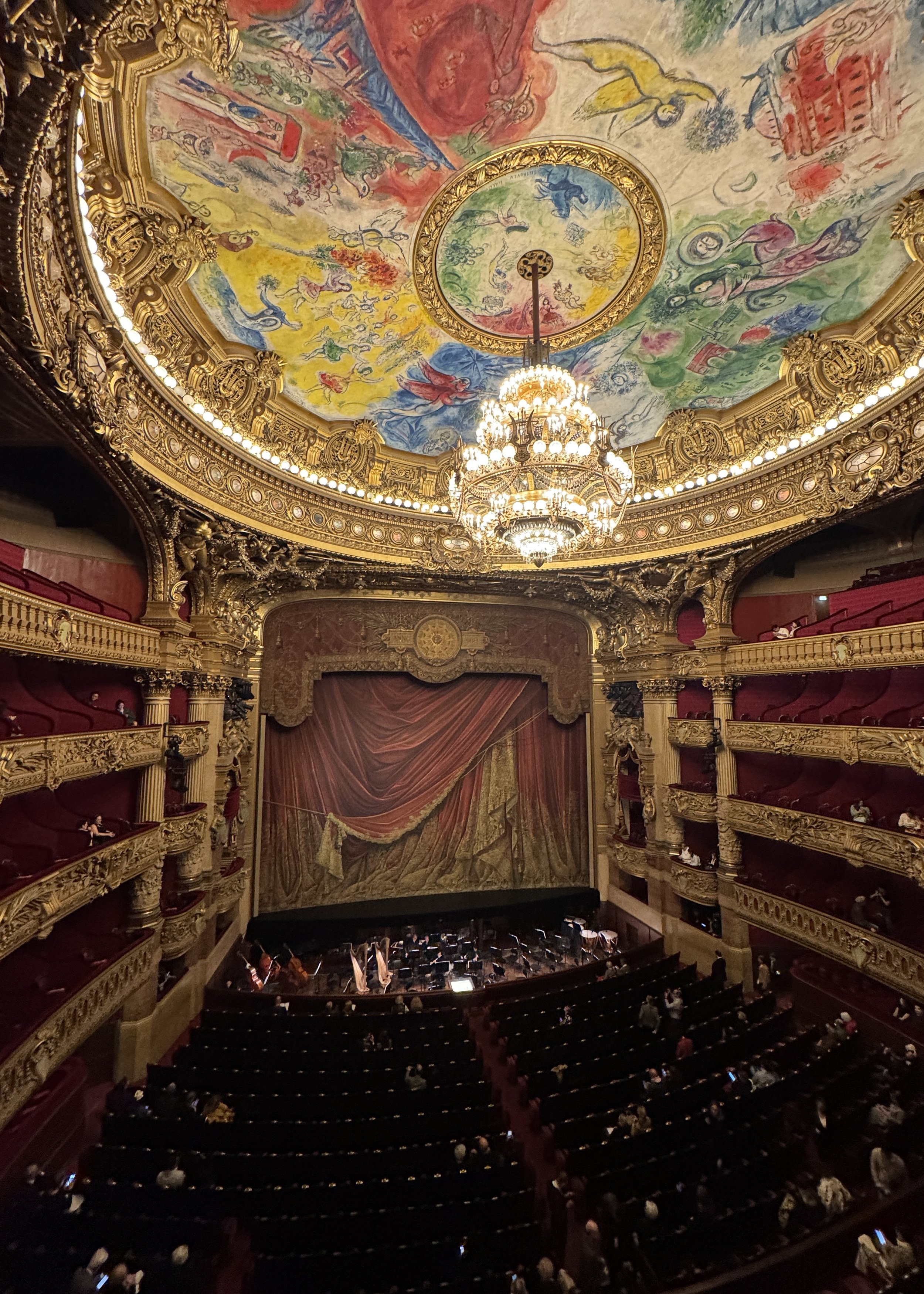
At the Palais Garnier, the grandeur of nineteenth-century architecture meets Marc Chagall's exuberant twentieth-century ceiling, a colorful interpretation of music and movement floating above the opera house's ornate interior.
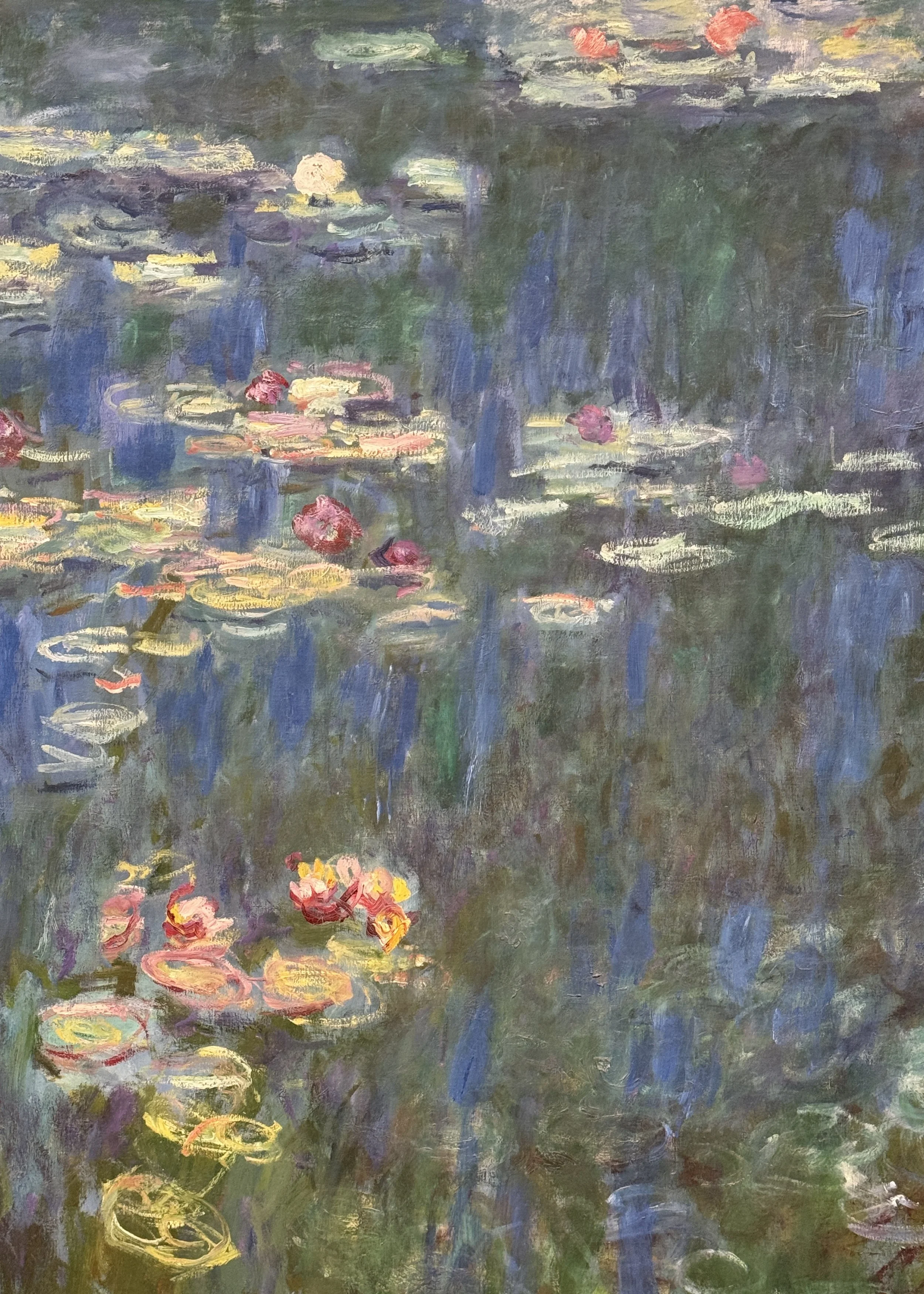
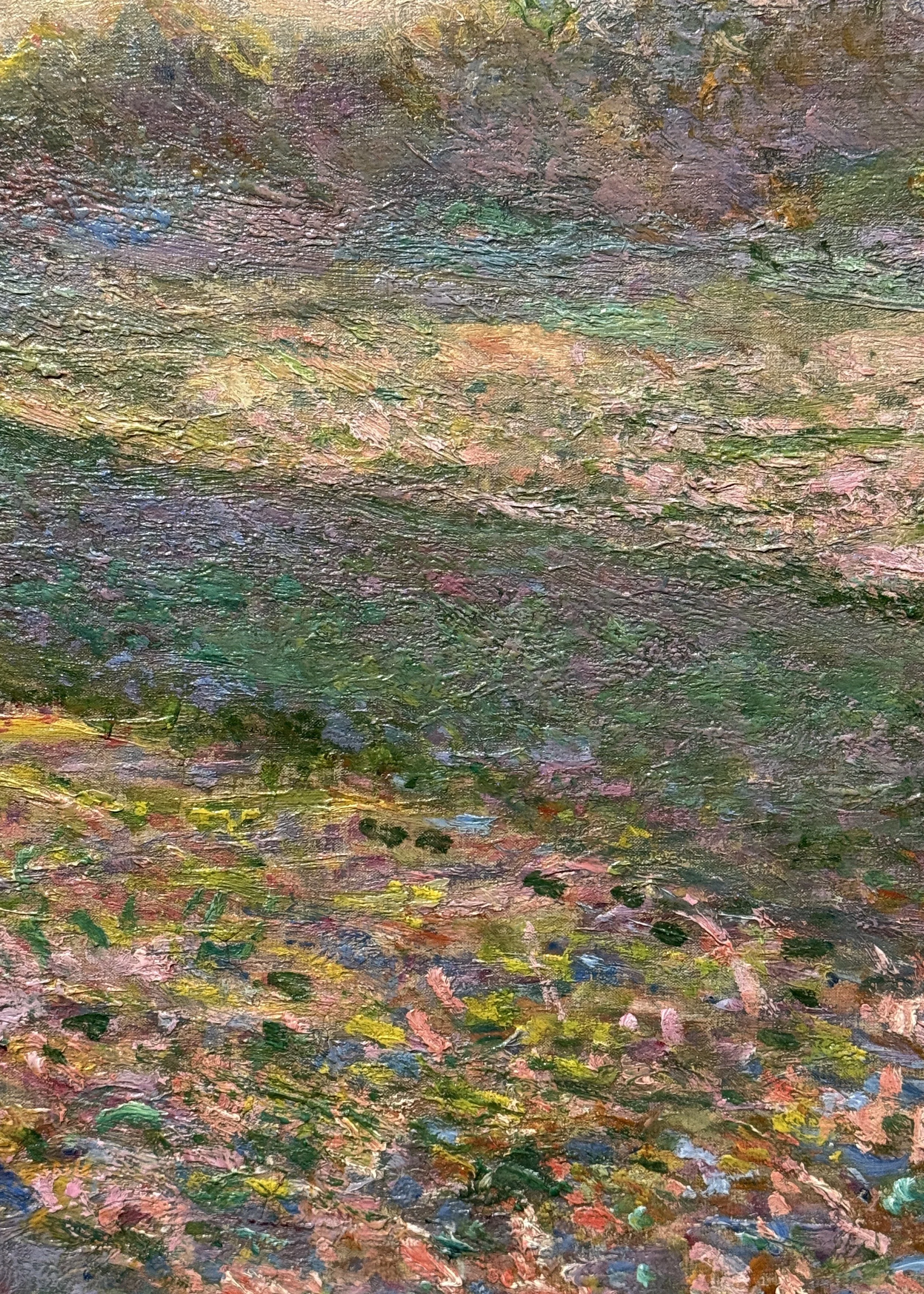
And at the Musée de l'Orangerie, Monet's Water Lilies offer an entirely different experience of art and space. The paintings envelop the viewer, capturing the fleeting effects of light and atmosphere in a way that feels both monumental and intimate.
These places represent very different artistic expressions, yet together they illustrate something I find particularly compelling about Paris: tradition and innovation are not necessarily opposing forces.
The old and the new can challenge one another, complement one another, and ultimately create something more interesting together.
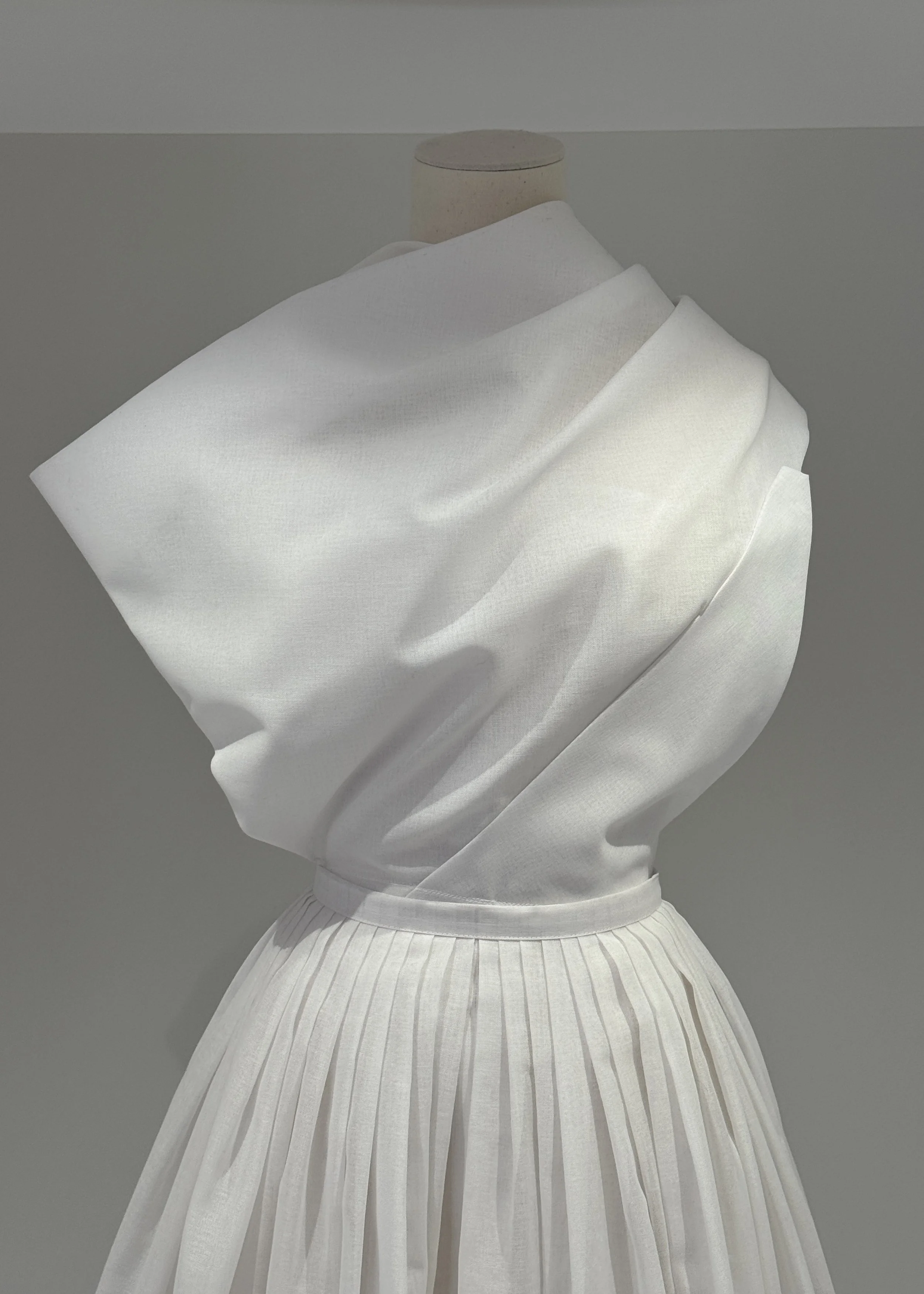
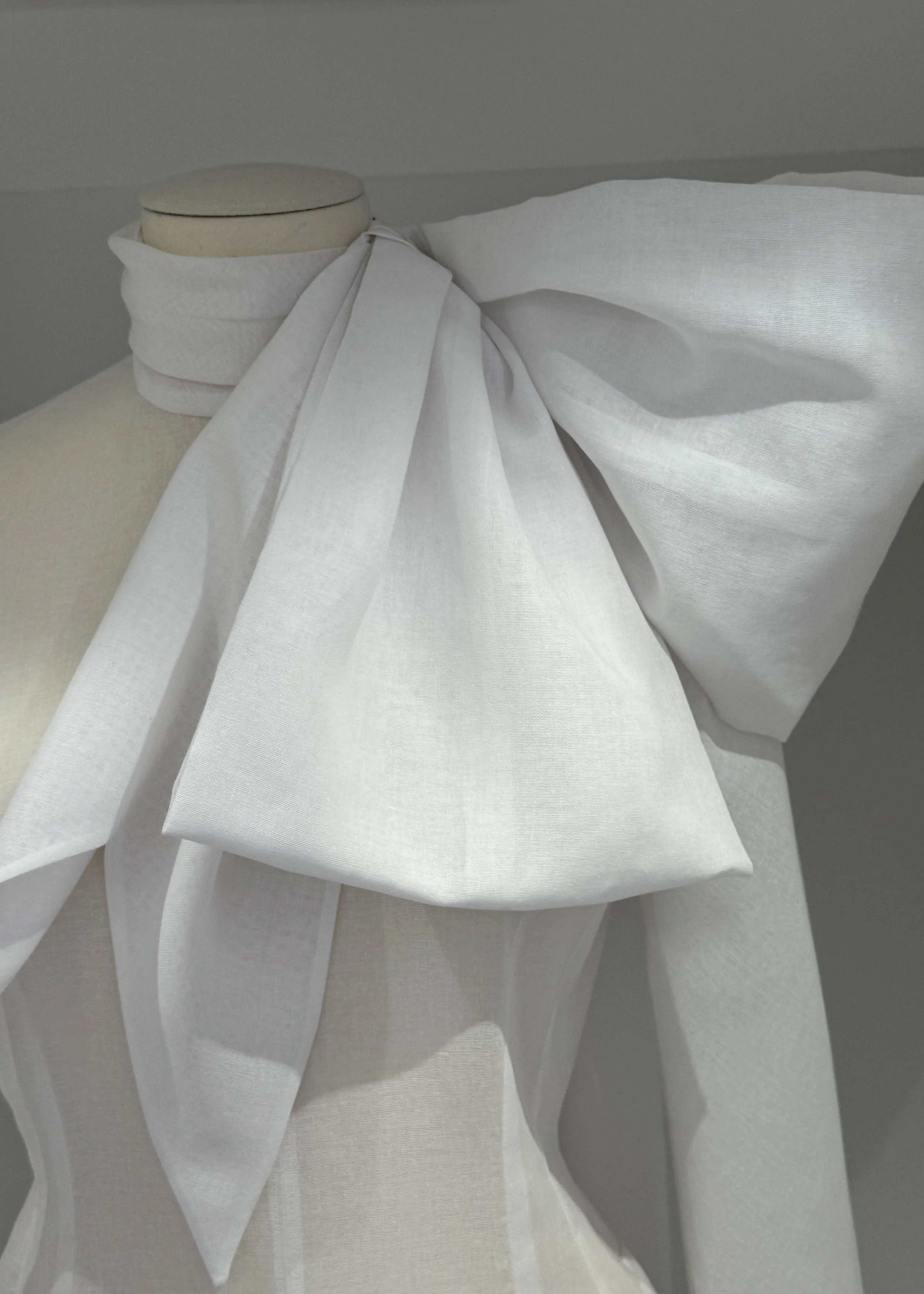
It's an idea that resonates with my approach to interiors, where antiques, contemporary furnishings, handmade textiles, and pieces collected over time can coexist in ways that give a room depth and individuality.
Inspiration Beyond the Museums
Some of the most memorable moments in Paris happen outside the museums altogether.
Every bridge offers a different perspective on the city. Neighborhoods reveal layers of history through their architecture, storefronts, and street life. Gardens are carefully composed works of art, shaped by the relationship between architecture, landscape, and human experience.
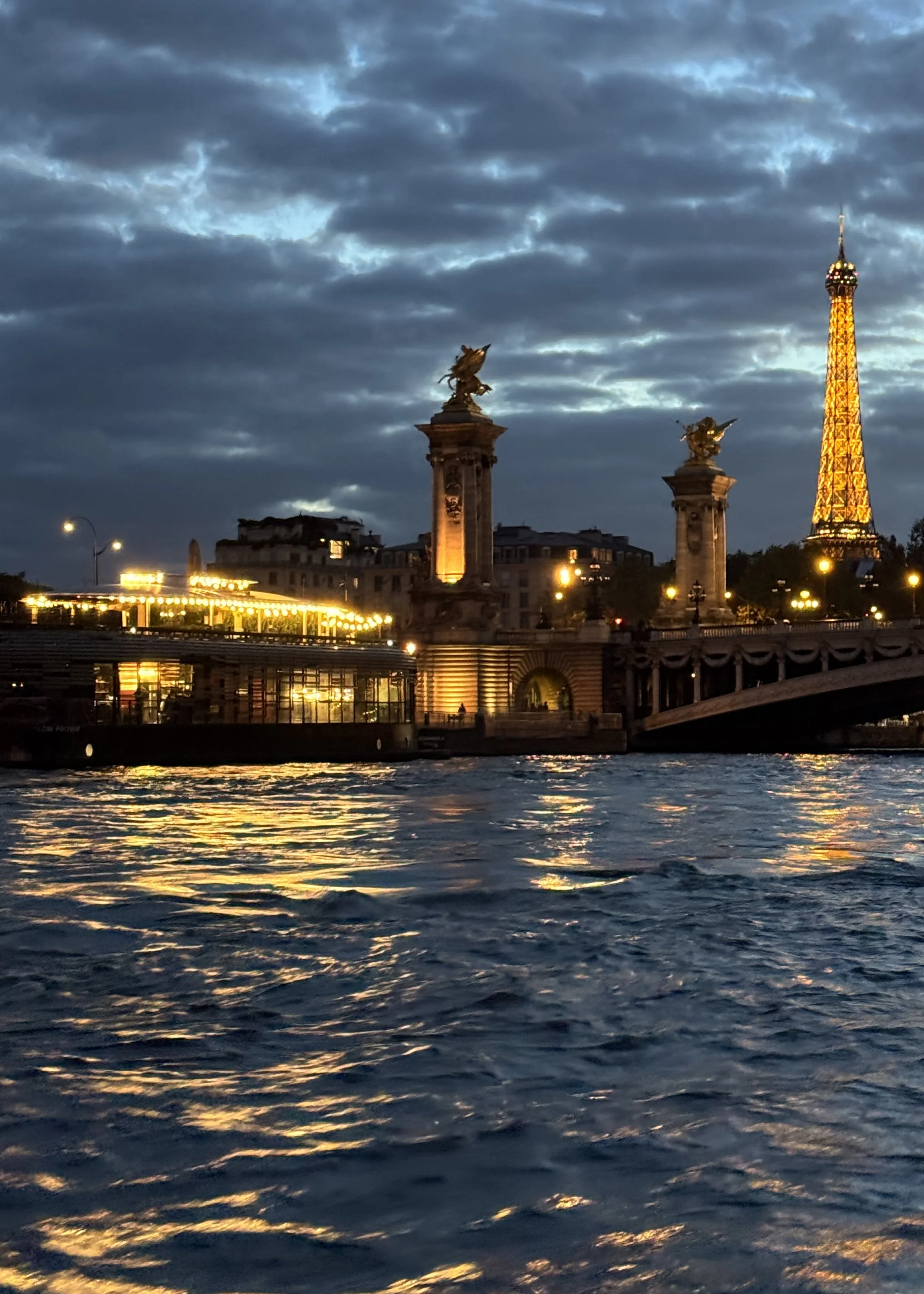
And then there is the Eiffel Tower, an iron structure once criticized by many of the city's artists and intellectuals, now among the world's most beloved landmarks. Today, it provides the backdrop for something as simple as a baguette, a glass of wine, and an evening beneath the twinkling lights.
Paris is full of these contradictions.
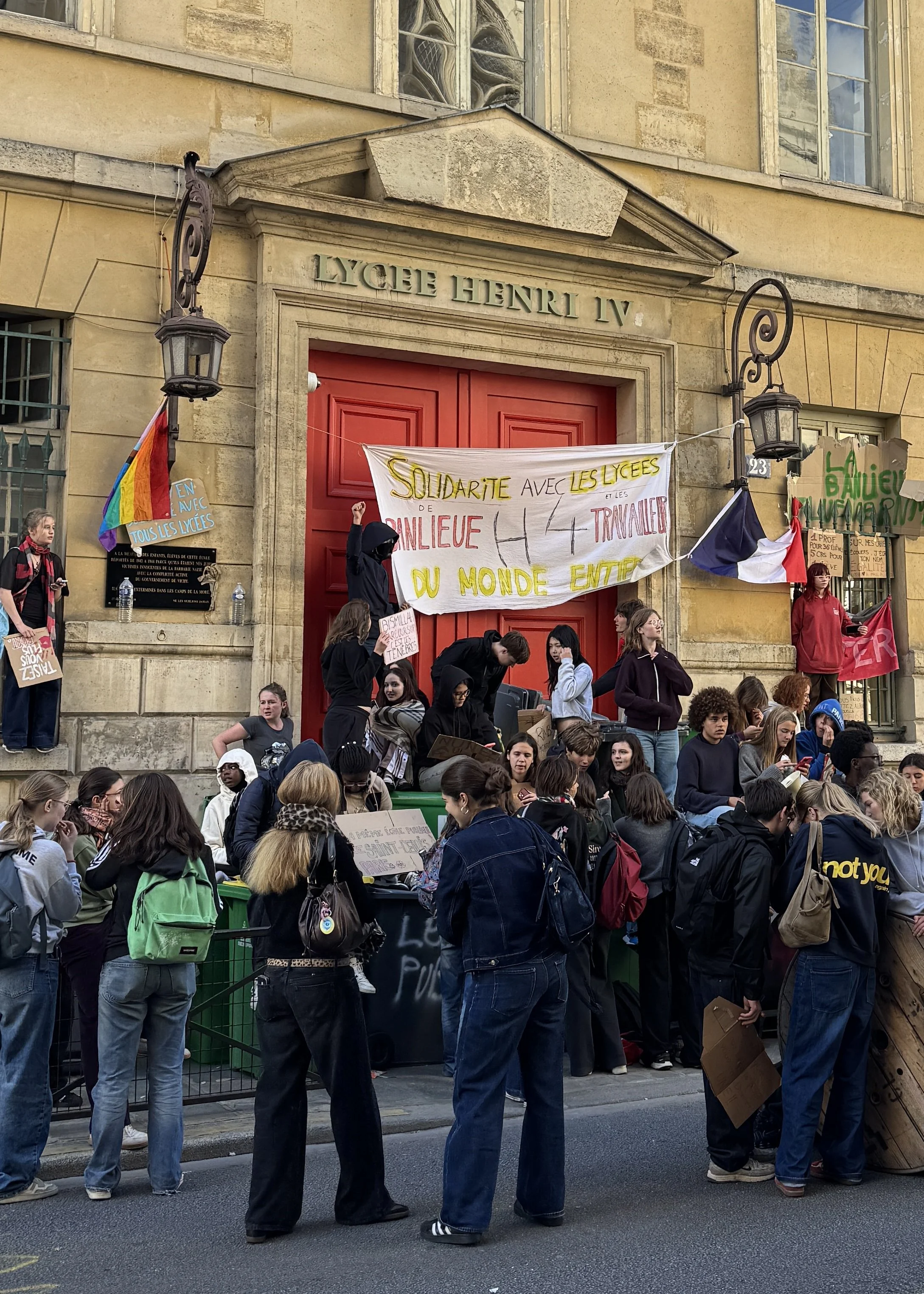
It is a city shaped by beauty and conflict, tradition and experimentation, passion and suffering. A place where students still take to the streets to challenge authority, continuing a long history of protest and debate.
That tension is part of what makes it so compelling. Paris isn't a static monument to the past. It is a living city, constantly changing while remaining deeply connected to its history.
Why We Travel for Inspiration
Travel is an essential part of my creative process, but inspiration rarely arrives in a neat, immediate way.
I might discover a textile, notice an unusual material combination, or become interested in the proportions of a particular architectural detail without knowing exactly how it might translate into a project.
Sometimes an idea stays with me for years before the right opportunity presents itself.
This is why I value time spent wandering through neighborhoods, visiting markets, exploring galleries, and observing how people live. It's not always about finding something specific. It's about expanding the visual vocabulary that informs my work.
A beautiful interior is rarely the result of one great idea. More often, it is the accumulation of references, experiences, relationships, and choices made over time.
The same can be said for a city like Paris.
Its character is the result of centuries of creative contributions, each generation adding something of its own while inheriting what came before.
And perhaps that is what I find most inspiring: the recognition that design and craftsmanship have lasting value, not only for their beauty, but for the stories, skills, and cultural connections they preserve.
I hope the Marché des Enfants Rouges will be lovingly restored, just as so many other treasured places in Paris have been.
Because preserving these spaces means preserving more than architecture. It means protecting the traditions, everyday experiences, and human connections that give a city its identity.
And ultimately, those are the things that make Paris so extraordinary.